Illinois basements run colder than the floor above
A basement sits against the ground and loses heat through the foundation walls. A mini split placed and sized for that has to account for cold the upstairs units never see.

A mini split can heat a basement through an Illinois winter, but only if it's sized and placed for how cold it actually gets here. Below freezing, a heat pump has to work harder to pull warmth from the outside air, and once outdoor temperatures drop into the teens or lower, older or undersized units lose capacity right when you need it most. Most mini splits sold now handle this with a cold climate model built to keep producing heat down to very low temperatures, but a standard unit sized for a mild climate will struggle. A basement adds its own factor: it stays cooler than the rest of the house to begin with, so the unit needs enough output to cover that gap, not just the square footage. Get the sizing and the model right and it will carry the basement on its own through January. Get it wrong and you'll be running a space heater beside it by February.
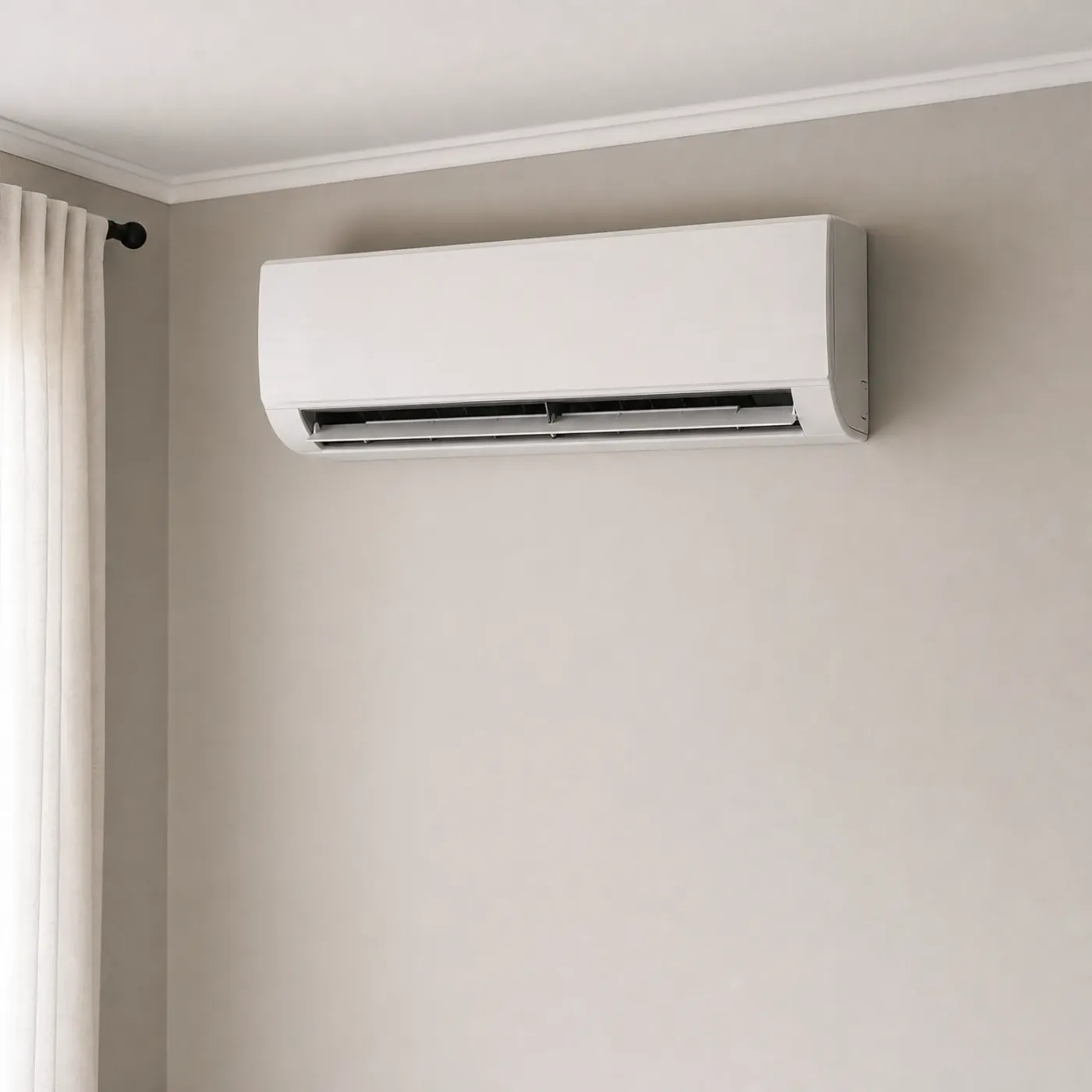
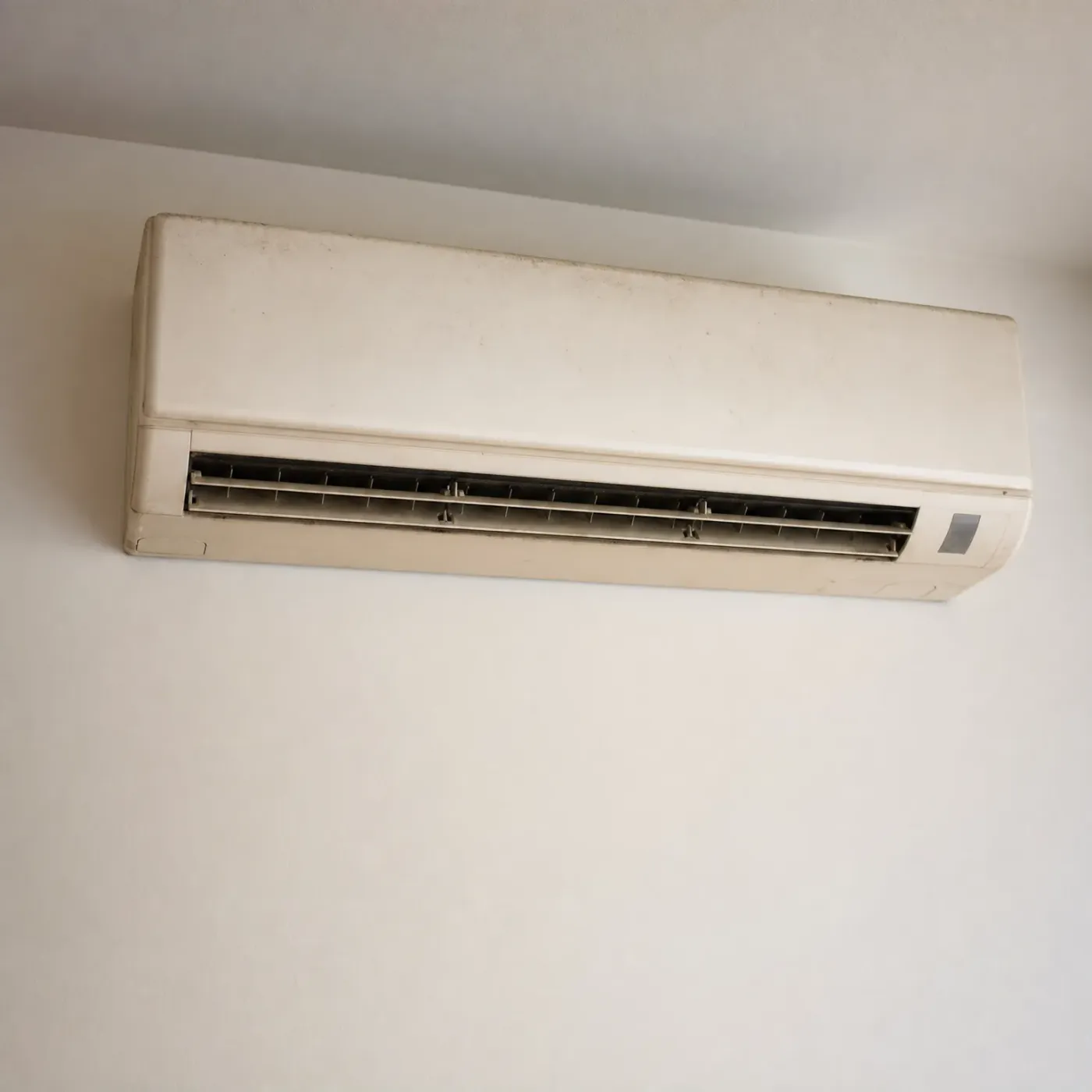
A mini split rated for cold climates keeps producing heat well past the point where a basic unit would give up. Most hold their full rated output down to 5°F, and keep working below that at reduced capacity rather than shutting off. The compressor inside the outdoor unit is variable speed, so it ramps up gradually as the basement cools instead of cycling on and off the way a furnace burner does. Somewhere around 17°F, the outdoor unit will pause heating for a few minutes to run a defrost cycle, melting ice off the coil before switching back. You might notice the indoor head blowing cool air for those few minutes. That's the defrost cycle working, not a problem with the unit. None of this works if the outdoor unit is boxed in or sitting where snow piles up against it. It needs open space around it and a stand or bracket to keep it off the ground. Inside, where the head is mounted matters too. A head blowing across an open stairwell sends warm air up to the floors above instead of keeping it in the basement.




A basement sits against the ground and loses heat through the foundation walls. A mini split placed and sized for that has to account for cold the upstairs units never see.
Most homes here already heat with gas. Pairing that system with the mini split covers the coldest nights without asking the heat pump to do more than it's built for.
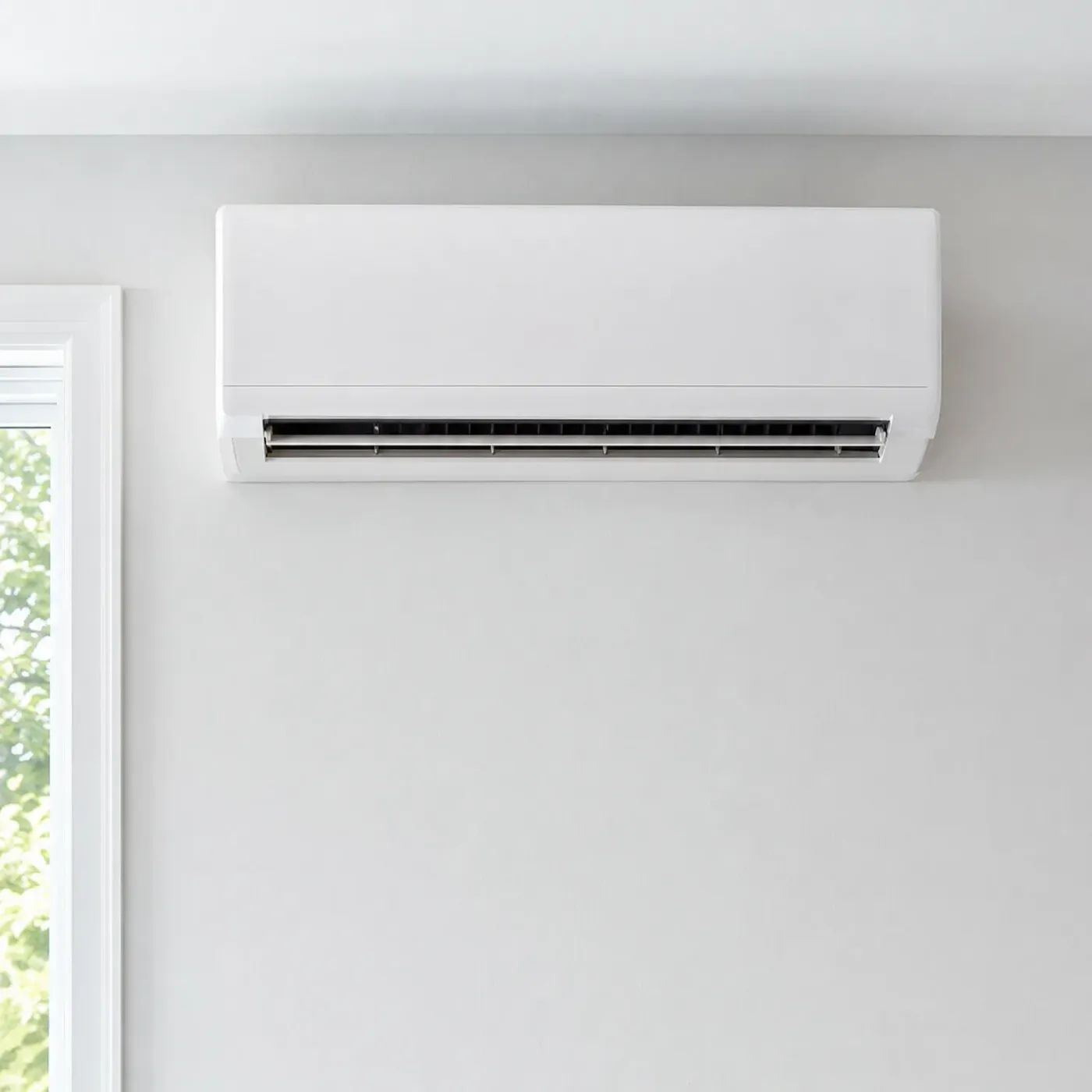
A mini split sized for your basement and mounted where it can pull in room air freely keeps the space even through a cold snap. Set it, leave it running, and it holds the temperature without you checking on it.
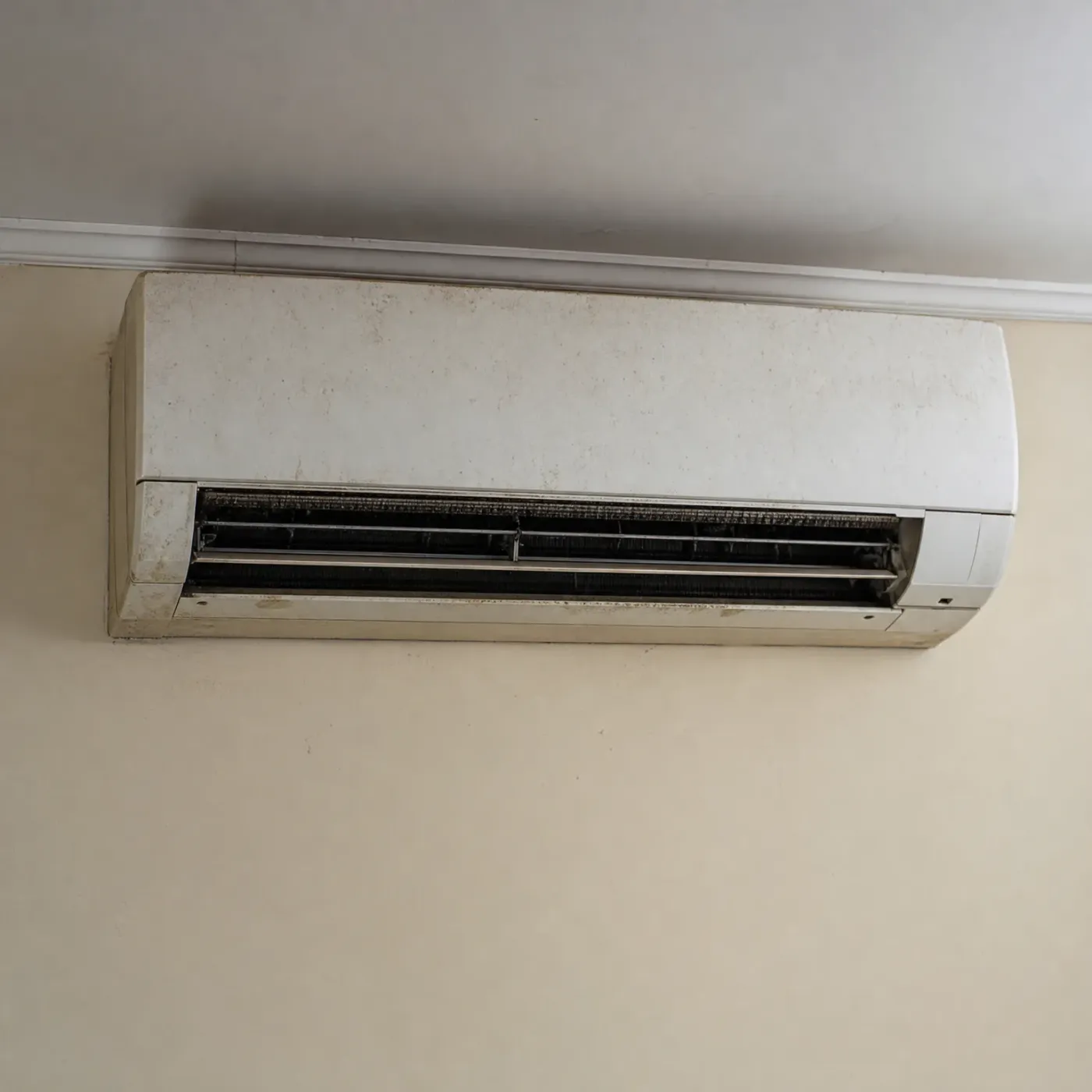
A dirty filter or a unit crammed into a corner behind boxes can't move enough air to heat the basement on a hard winter night. It runs constantly, the coil stays caked with dust, and the room still feels cold when you go down to check on it.


Only one pro gets your request, so you hear from one company.
No fee to send it, and nothing to sign.
If the basement is where your kids do homework or your spare bedroom sits, a mini split that can't keep up on a January night means someone sleeping cold or a room you quietly stop using.
Get the sizing and placement right before the first cold snap, and that room stays part of the house all winter instead of a space you shut the door on.
A mini split running flat out on a cold night costs more to own than one sized right from the start, since every kilowatt-hour it draws runs about 17.67 cents here. Get the sizing right and the basement stays warm without the unit laboring, which keeps that cost down.
EIA-861 2025 statewide residential average
The indoor head pulls in cold basement air across its coil.
Refrigerant inside that coil absorbs heat from the air.
A compressor in the outdoor unit pressurizes that refrigerant, raising its temperature.
The outdoor coil pulls in heat from the outside air too, even when it's cold.
You'd notice it on the coldest nights first. The unit runs and runs, the fan never seems to shut off, and the room still sits a few degrees under what the thermostat says. Maybe there's a cold draft near the foundation wall, or the air coming out of the head feels cool instead of warm. If anyone sleeps down there or you've set up a playroom or office, you'll hear about it: someone grabbing a space heater, someone closing the door and giving up on the room for the winter. Left alone, that usually means the unit was sized for a mild day, not for what your basement actually loses to the ground around it once it gets cold.
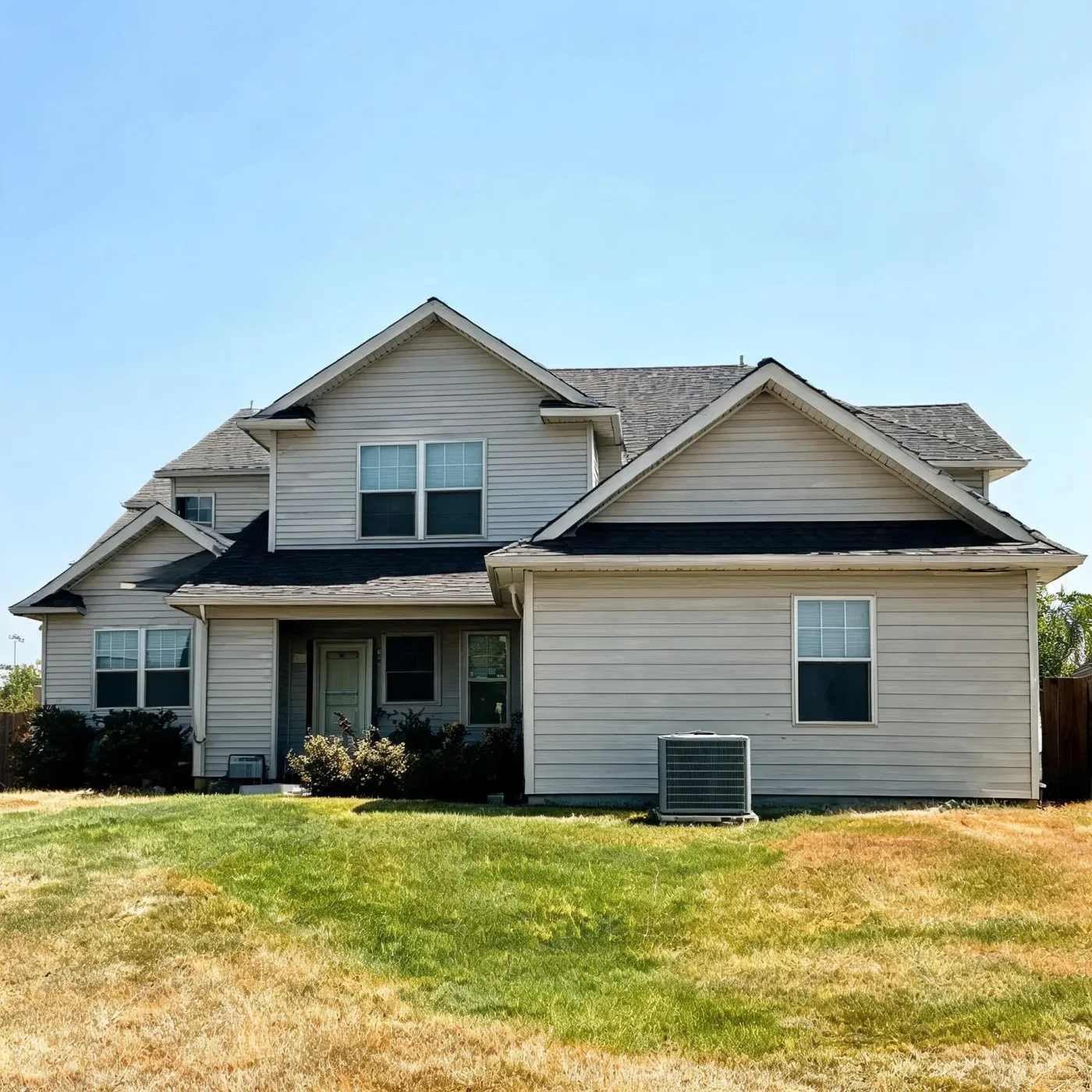
Illinois summers run humid, with the dew point averaging 63°F across June, July and August, according to NOAA climate data. That's the air your mini split's outdoor unit works against all summer, and it matters for winter too, because the same compressor that fights humidity in July has to pull heat out of cold, dry air in January. A unit sized to handle that muggy summer load without straining is one built with enough reserve capacity to also keep up on a basement's coldest nights. If it was undersized for summer, expect the same shortfall in winter.
NASA POWER T2MDEW county cells weighted by homes
A lot of basements in Illinois already have a vent off the main furnace, so the question is whether the mini split can just take over down there on its own, or whether that furnace vent still needs to stay open and doing its job once the mini split is in.
A mini split sized and placed correctly can carry the basement through most of the winter on its own. But a cold-climate mini split's output still drops as the temperature outside drops, and on the handful of nights that hit single digits, having the existing furnace duct still feeding that room gives the space a second source of heat instead of asking the mini split to cover everything alone. Most basements already have that duct run in place, so it isn't new work, just leaving it open rather than closing it off once the mini split goes in. That combination keeps the room steady without the mini split straining on the nights it would otherwise be working hardest.
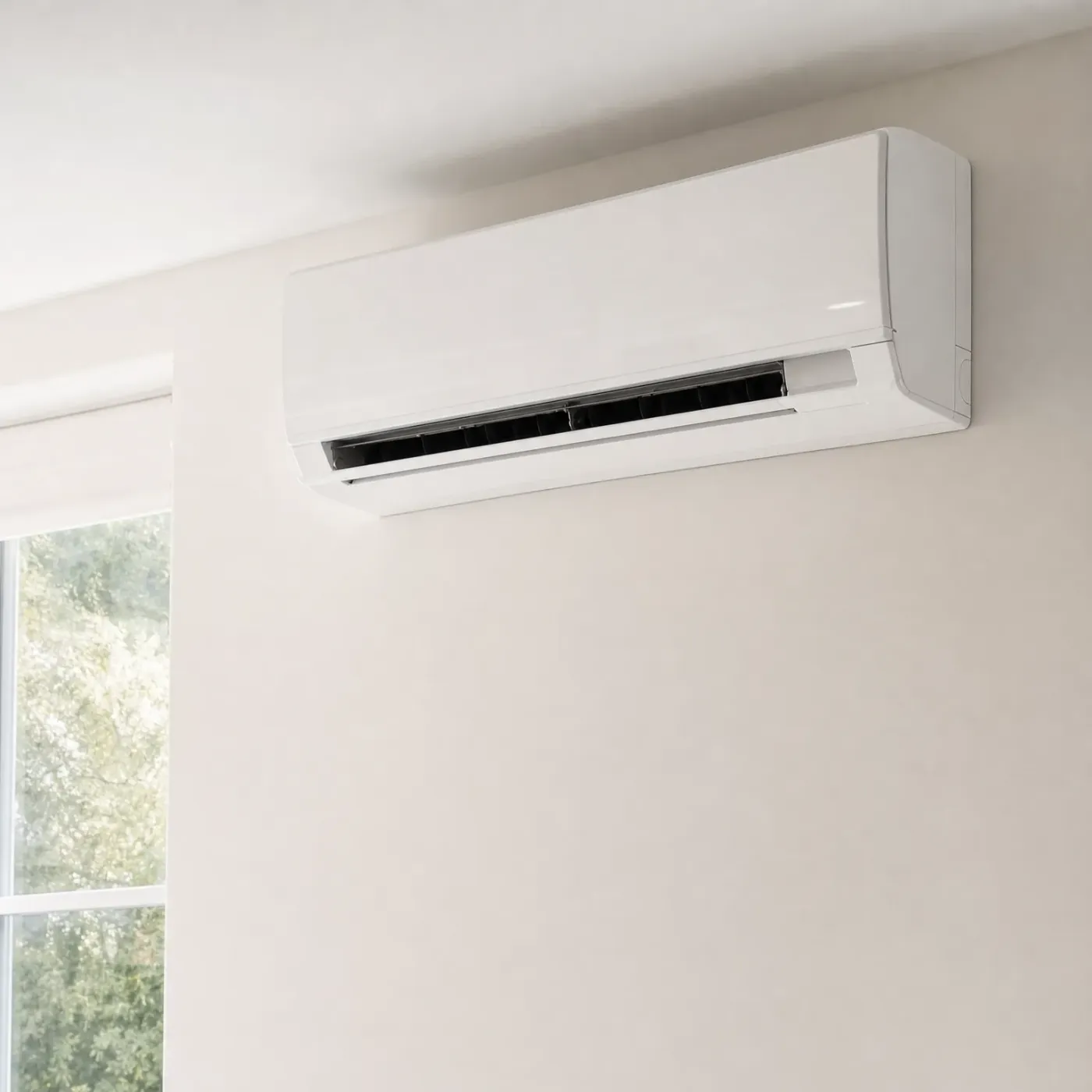
A mini split that looks like this is moving the air it's supposed to. The coil behind that vent is bare, so heat transfers the way it was designed to, and the unit isn't fighting its own dirt on top of fighting the cold.
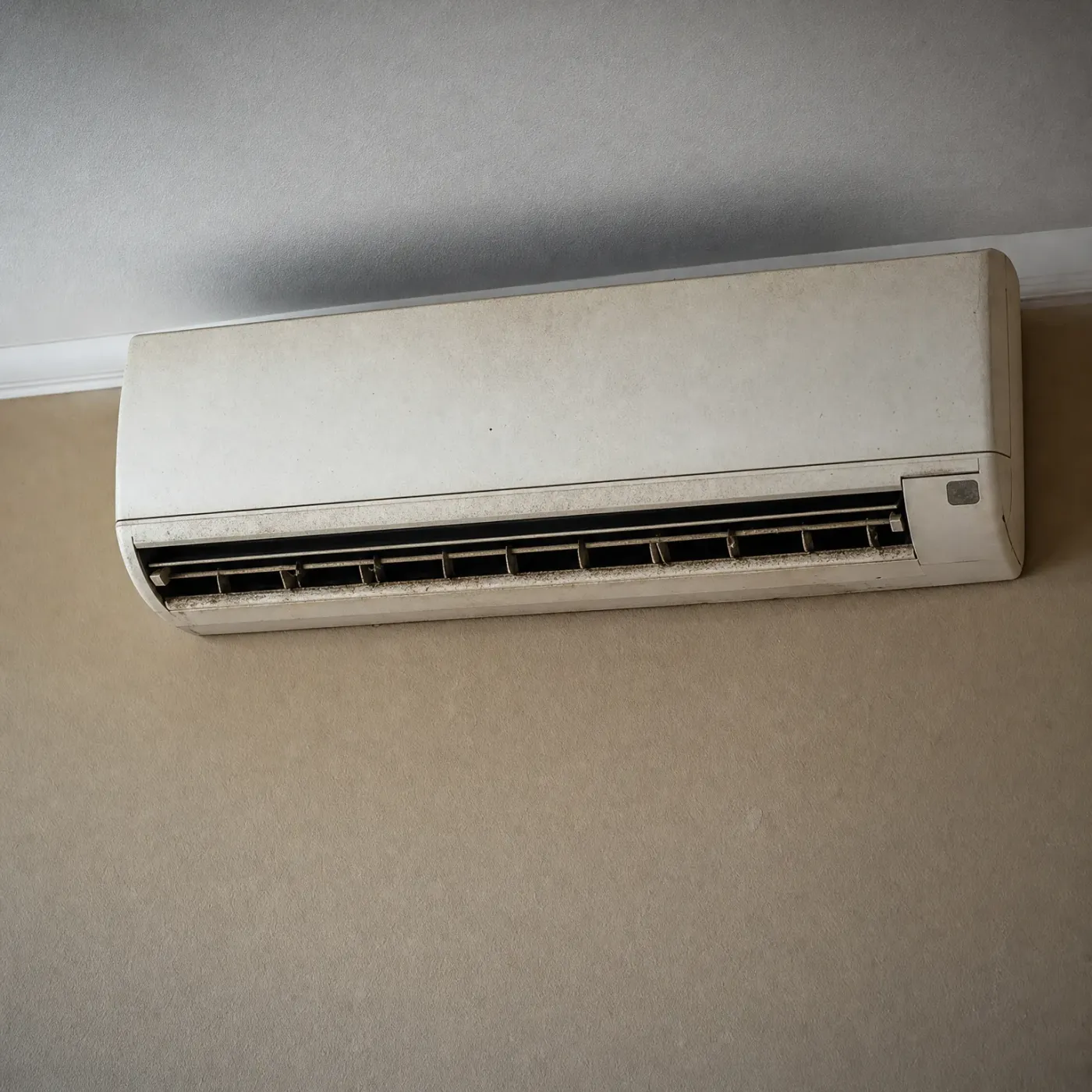
Dust and grime like this on the vents and intake grille choke off airflow before the air ever reaches the coil. A basement unit already working hard against January cold has less to give when it's also pulling air through a clogged intake.
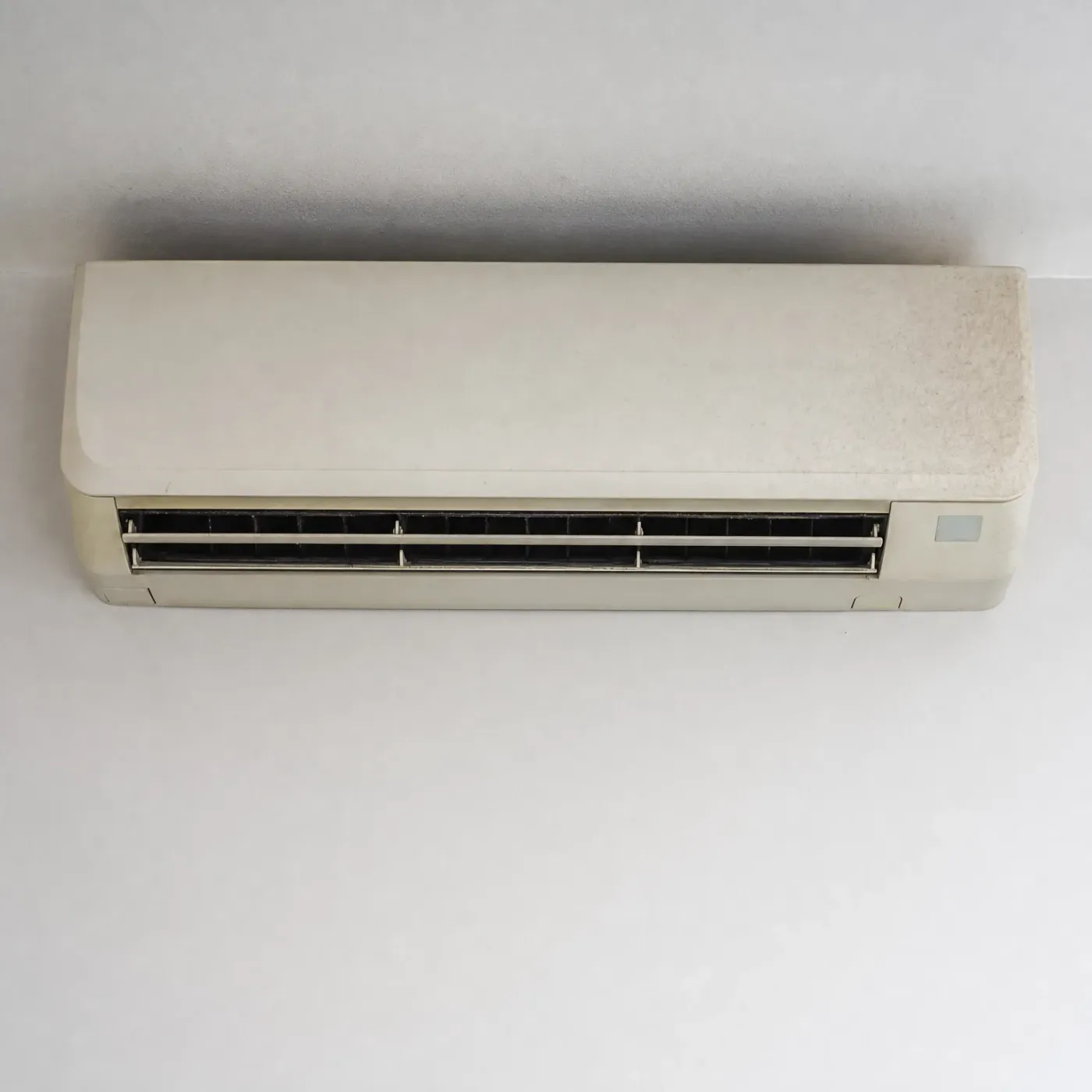
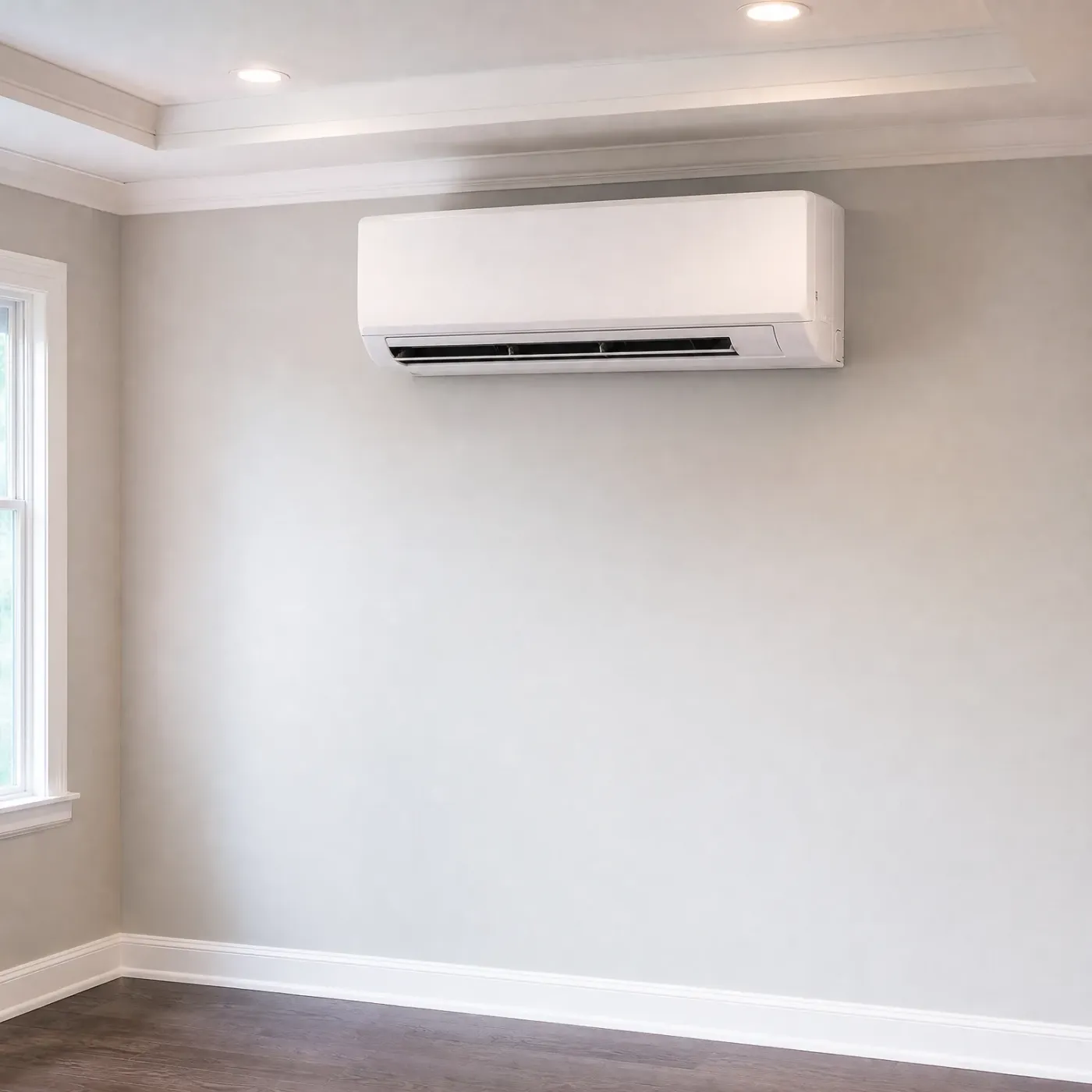
A mini split can heat an Illinois basement all winter. Whether yours will comes down to two things: sizing it for how cold that space actually gets, and setting it up where it can pull in room air without a wall or a stack of boxes in the way. Get those right and the basement holds its temperature through a January cold snap the same as any other room in the house.
Where that goes wrong is usually the same place. A basement sits against the ground and loses heat through the foundation walls in a way the floor above never does, so a unit sized off the square footage alone comes up short. Whether there's already a furnace vent running down there matters too. If there is, the mini split might only need to carry part of the load. If there isn't, it's on its own.
This is where a contractor who works on these units through Illinois winters earns the job. Someone local has seen which basements hold heat and which ones fight the unit all season, and that's the kind of judgment a spec sheet doesn't give you. The request goes to one licensed contractor, not a handful, so you're working through the sizing and placement with the same person from the first call to the last. Get it settled before the first hard freeze, and the basement stops being the room you worry about.





Your request stays with one local pro.
Sending the form costs nothing.