
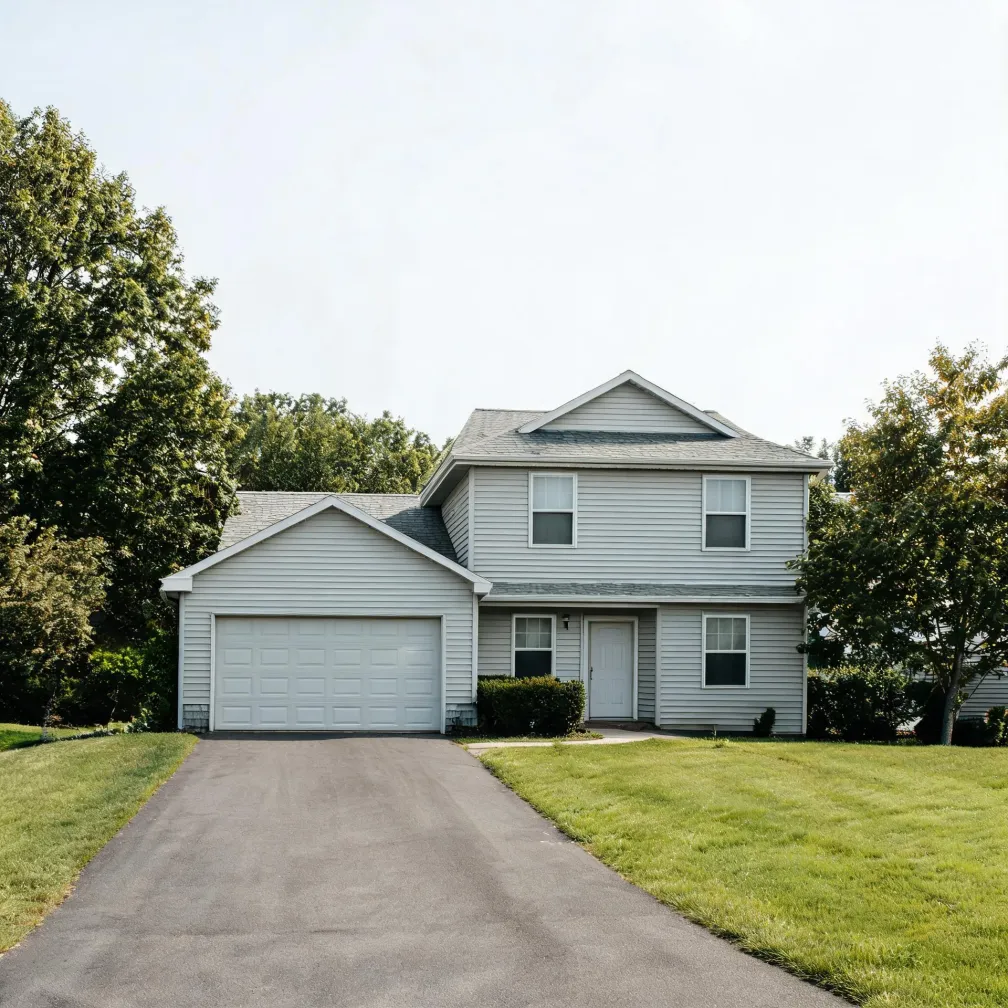
What Illinois homes are up against.
NOAA National Centers for Environmental Information, Storm Events Database, bulk CSV export, events 2015-01-01 through 2024-12-31. · U.S. Census Bureau, 2020-2024 American Community Survey 5-Year Estimates

What a contractor has to settle before sizing a system is not answered by a state total alone. 12,257 severe weather events were recorded in Illinois between 2015 and 2024. That rate means equipment across Illinois is regularly asked to hold capacity and recover, and a system specified without accounting for local conditions is sized against the wrong load. The statewide record sets the floor; your county's specific demands set the spec. A contractor who skips that step is quoting blind.
A quote for a new system has to account for what is already in the house, and in Illinois that means the contractor inspects before specifying. Half the homes in Illinois were built in 1971 or earlier (2020-2024 ACS 5-year). A house built before current electrical and duct standards were set may have service that runs short of what a new system draws, or ducts sized for equipment that no longer matches the load. The contractor opens the panel, measures the runs, and decides what carries over and what has to change before a number goes on paper.
Does your county put extra stress on your HVAC equipment?
2015–2024 · Source: NOAA National Centers for Environmental Information, Storm Events Database.
A condenser sitting outside an Illinois home faces a wide range of conditions over its working life: summer heat that pushes refrigerant pressures high, wind-driven debris, ice load, and freeze-thaw cycles that work at seals and fasteners year after year. Equipment sized and positioned without accounting for that exposure gets asked to do more than it was set up to handle. The contractor you are matched with knows what local conditions demand and factors that into every recommendation.
Illinois HVAC Installation and Repair License Requirements
Illinois sets its own rules for who can perform HVAC installation and repair work. The provisions below are drawn directly from state sources, not paraphrased.
Illinois leaves HVAC licensing to the municipality: state law lets the corporate authorities of each city or village examine, license and regulate heating, air conditioning and refrigeration contractors, and caps the licence fee they may charge at $50 — so who licenses you depends on the town you work in.
A state license requirement means the work is reserved for contractors who have met Illinois's standards for this trade, not anyone willing to show up with tools. For a homeowner, that distinction matters at the moment you choose who to call. The contractors this site routes to hold the license these provisions describe, and that is the filter your request passes through.
See the source provisions1 provisions
Illinois leaves HVAC licensing to the municipality: state law lets the corporate authorities of each city or village examine, license and regulate heating, air conditioning and refrigeration contractors, and caps the licence fee they may charge at $50 — so who licenses you depends on the town you work in.