Does a mini split lower heating bills in Illinois

Step 1 of 3: Equipment

A mini split can lower your heating bill, but it depends on what you're heating with now. Most homes in Illinois heat with gas, and gas is usually cheaper to run than electric resistance heat. A mini split is a heat pump, so it moves heat instead of generating it, which makes it far more efficient than a space heater or electric baseboard. Against a gas furnace that's in good shape, the savings are less certain, since Illinois winters get cold enough that a mini split loses efficiency and leans on backup heat strips to keep up. Where a mini split tends to pay off here is on the shoulder months, spring and fall, when it can carry the whole house on its own, and in any room that currently relies on electric heat. Whether it beats your furnace on the coldest nights depends on the unit and how low the temperature drops.

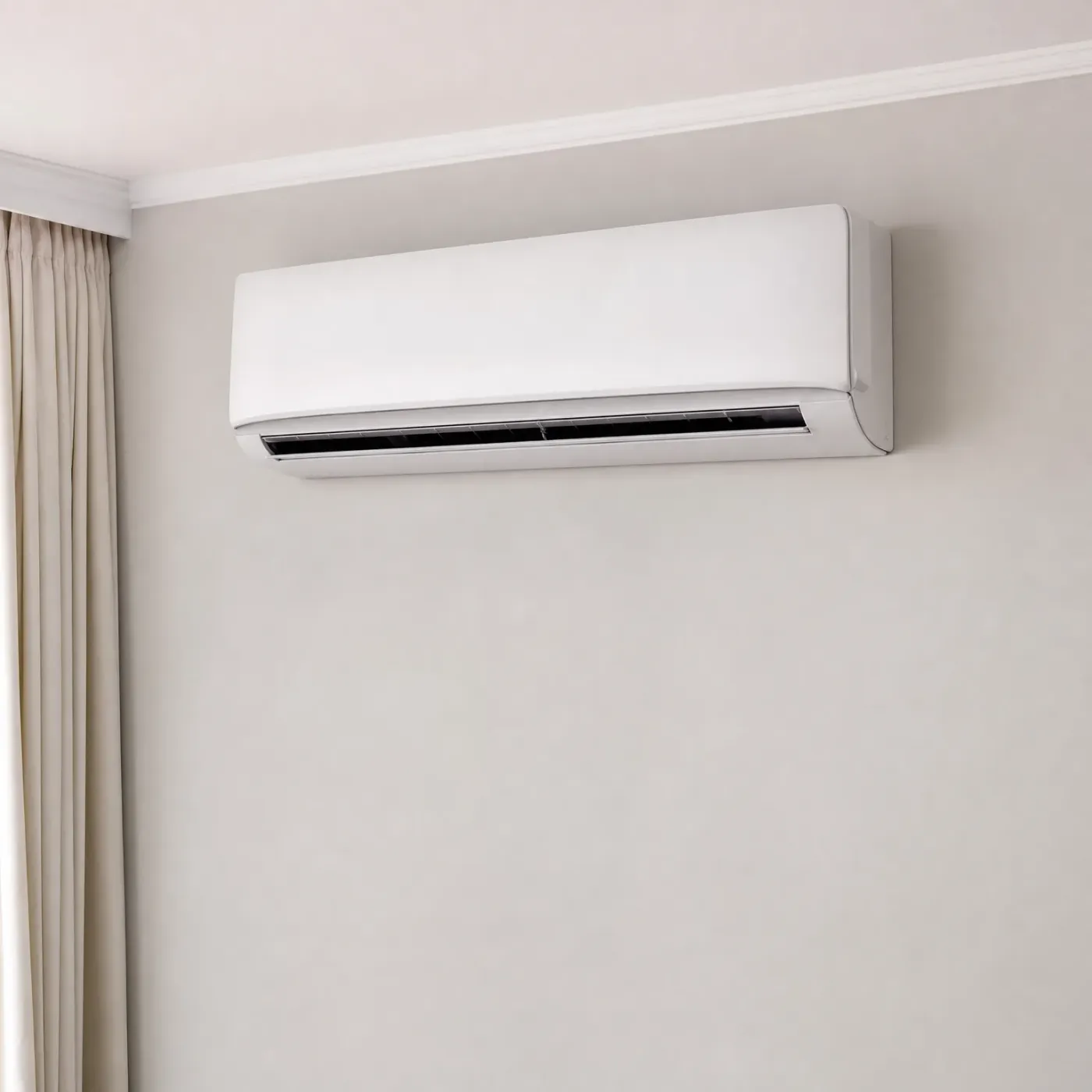
A white wall-mounted mini-split air conditioner near the ceiling of a room with light gray walls, white crown molding, and a beige curtain at the left edge.

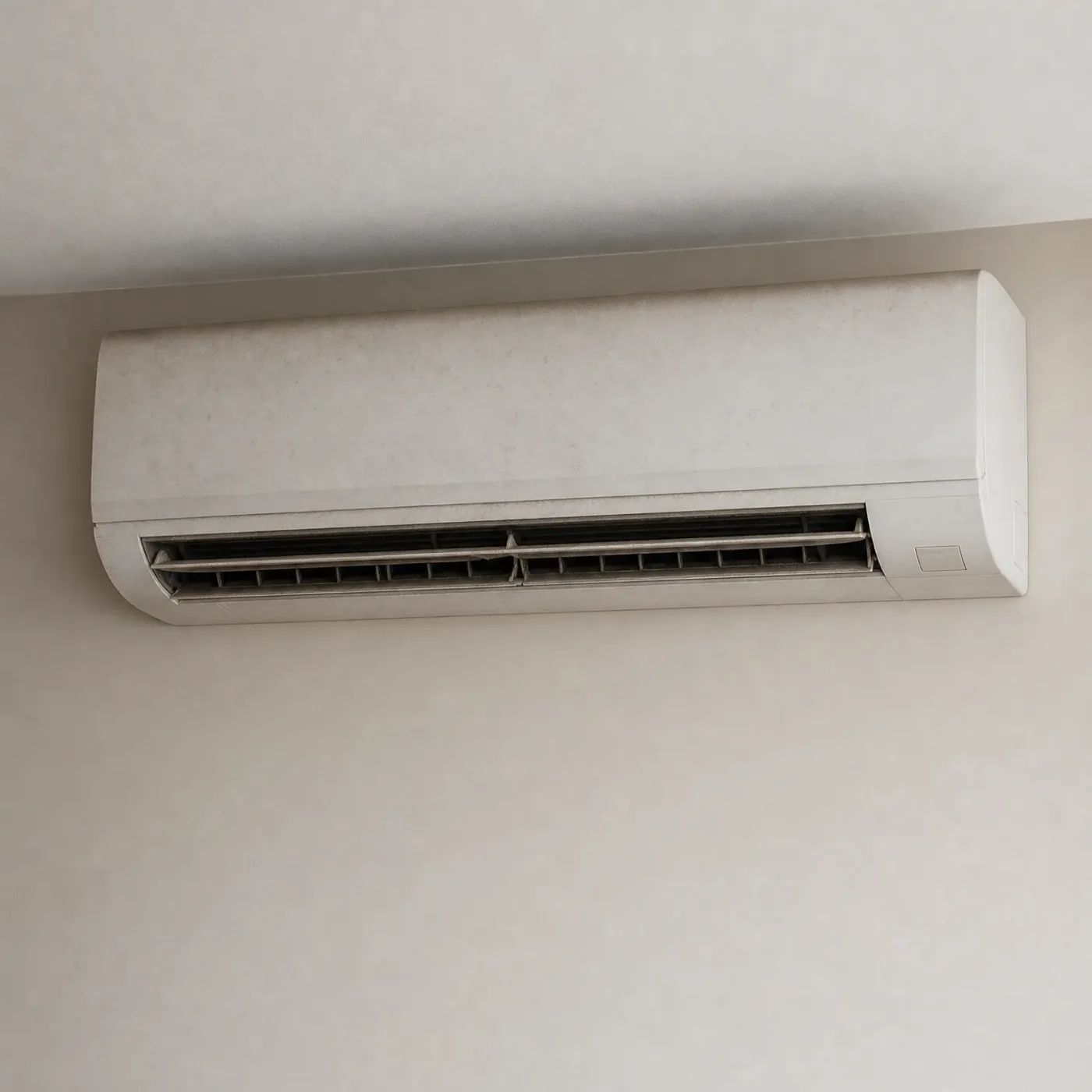
Working the way it should

A clean mini split pulls heat out of the cold air outside and moves it in, even when it's well below freezing. The coil stays clear, the filter stays clear, and it doesn't have to work as hard to hit the temperature you set.

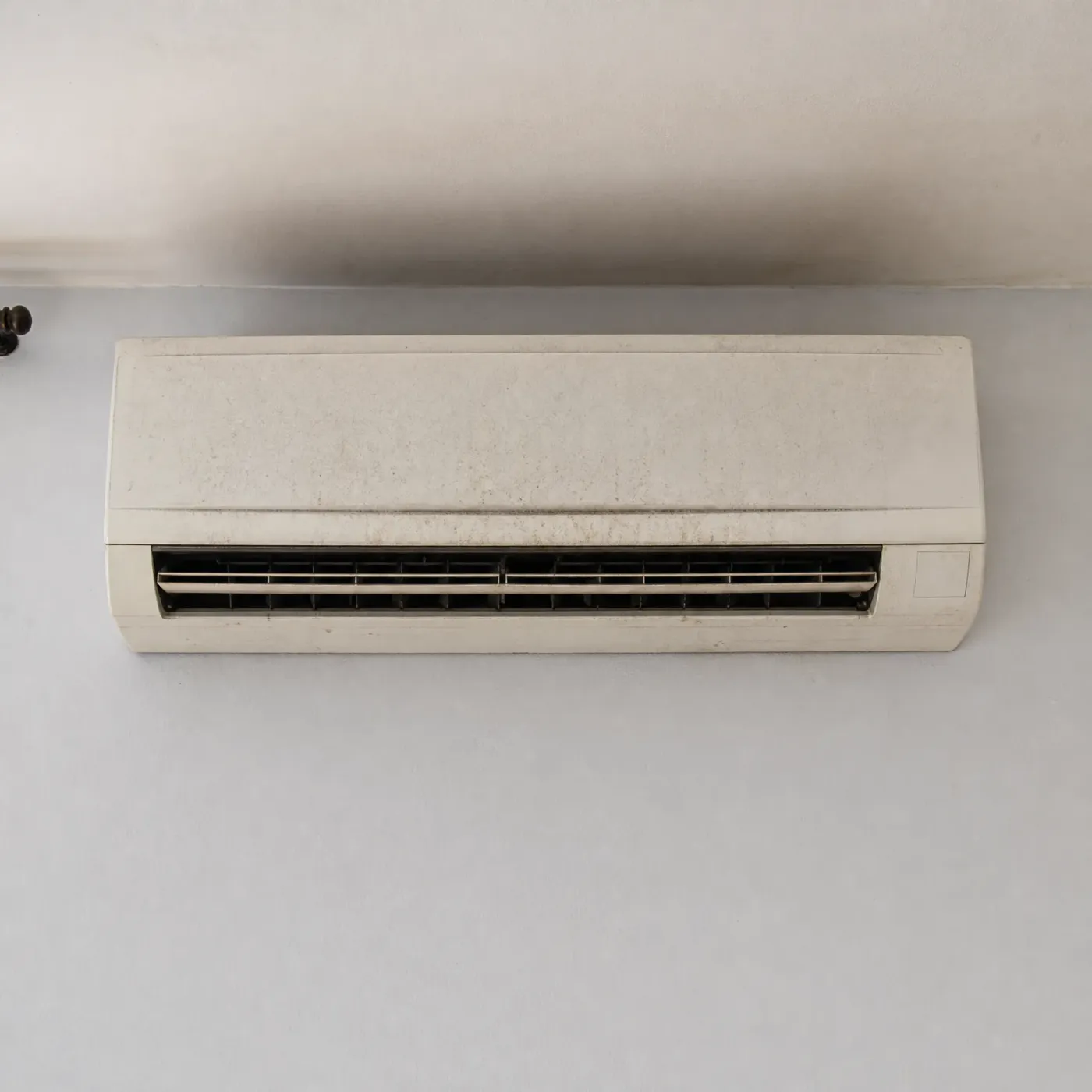
A dusty beige wall-mounted mini-split air conditioner indoor unit installed high on a plain light-colored wall below the ceiling.

Running dirty

Dust on the coil and grime on the housing make the unit work harder to move the same amount of heat. That staining on the wall is often condensation the unit isn't draining right. A unit in this shape costs more to run than the same model clean.

A smiling man with dark curly hair in a dark green henley shirt sits on a light sofa in a living room with large windows, a lamp, shelving, a stone fireplace, and a bowl of popcorn in the foreground.
A smiling man in a dark long-sleeved henley shirt sits on a beige sofa in a living room, with a bowl of popcorn and a remote on the table in the foreground and shelves, a lamp, and a doorway behind him.
A smiling man with graying hair and stubble in a blue henley shirt sits on a gray sofa with cushions in a living room, with a bowl of popcorn on a wooden table in the foreground.
A smiling man in a dark green long-sleeve shirt reclines on a sofa in a dimly lit living room, with a bowl of popcorn on a side table in the foreground and a bookshelf, lamp, and houseplant behind him.

A mini split doesn't burn anything to make heat. It runs the same cycle as an air conditioner backward, pulling heat out of the outdoor air and pushing it inside through the coil in the indoor unit. That works fine down to around 5 degrees. Below that, the unit starts leaning on electric resistance strips to make up the difference, and that's expensive to run compared to gas. The outdoor unit also has to stop and defrost itself when ice builds up on the coil in freezing weather, running the cycle in reverse for a few minutes before it goes back to heating. None of that changes what the unit can actually do for your bill: it only heats the room or zone it's installed in. If the rest of the house still runs on the gas furnace, the savings show up only where the mini split is working. How low that bill goes also comes down to fan speed, thermostat setting, and how far the line set runs between the two units, since heat lost along that line never makes it to the room.

How a mini split actually heats

  • A mini split heats by running its refrigeration cycle in reverse, pulling heat from outside air and releasing it inside through the indoor coil.
  • Below about 5 degrees Fahrenheit, most mini splits lose capacity and lean on backup resistance heat strips, which cost more to run.
  • The outdoor unit needs a defrost cycle in freezing weather, briefly reversing again to melt ice off the coil before switching back to heating.
  • A mini split serves one room or zone directly, so a house still heated mostly by a central gas furnace will see savings only in that zone.
  • The indoor unit's fan speed and the thermostat setting both affect how often the compressor cycles, which drives most of the electric cost.
  • Line set length and insulation affect how much heat is lost between the outdoor and indoor units before it ever reaches the room.
A white wall-mounted mini-split air conditioner indoor unit installed near the ceiling on a plain light-colored wall, with its horizontal outlet vent and louvers visible.
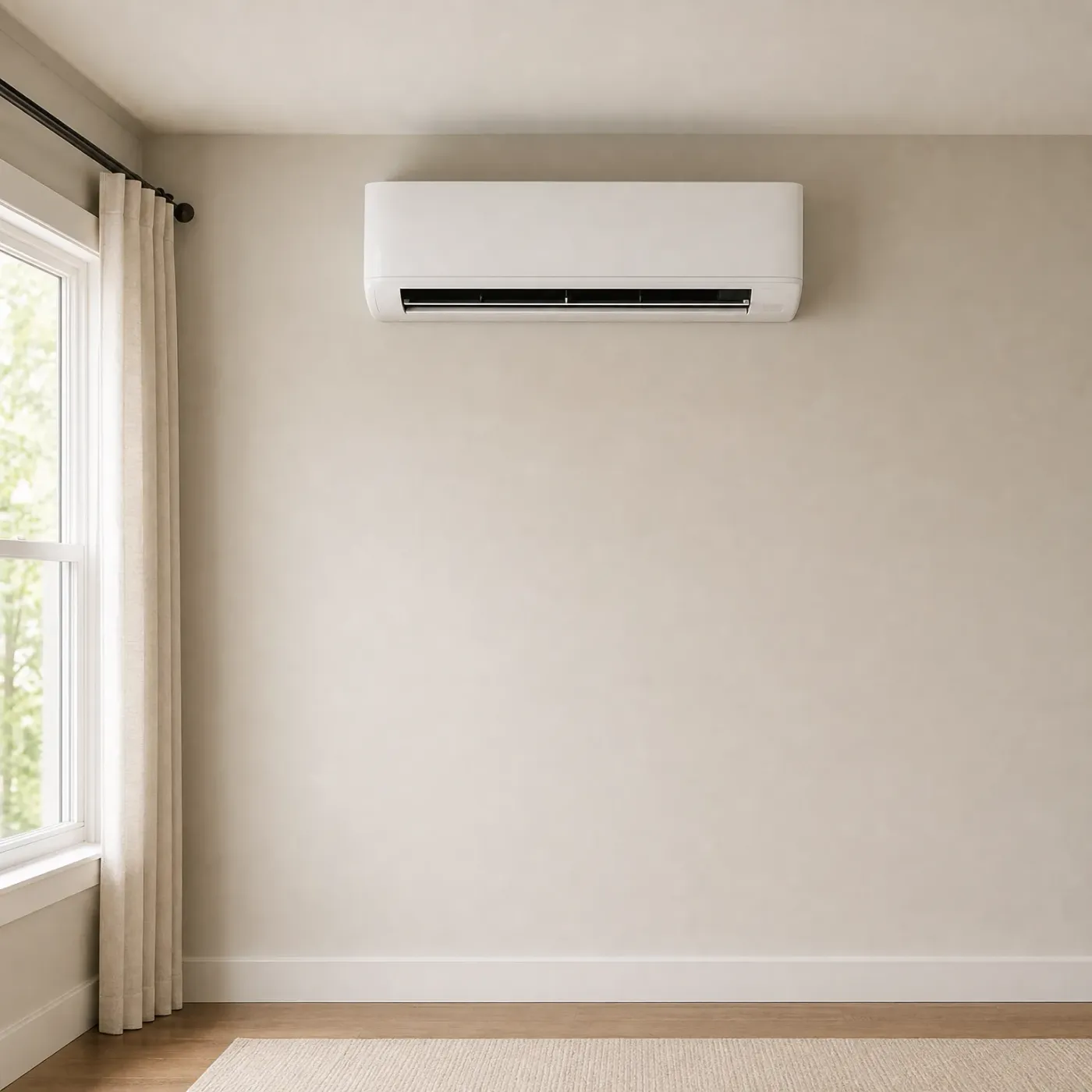
Before you get your mini split installation
A white wall-mounted mini-split air conditioner on a beige interior wall, with a curtained window on the left and wood flooring with a light rug below.
After you get your mini split installation

A mini split run alongside your gas furnace on the coldest days of the year won't beat gas on the bill. Illinois winters push well below freezing, and that's where a heat pump's capacity drops off.

Set the mini split to carry the mild months, October and April, the stretch either side of deep winter, and let the furnace take over when it's coldest. That split is where the savings show up.

A woman in a dark gray sweater reclines on a light sofa with eyes closed and a slight smile, under a textured gray blanket with an open book resting on her lap, with a lit table lamp and plant in the background.
A smiling bearded man in a navy crewneck sweater sits at a dinner table with a glass of red wine, plates and glasses in the foreground, in a dimly lit room with a lamp and framed picture behind him.
  1. The compressor pulls refrigerant through the reversing valve toward the outdoor coil.

  2. Outdoor air gives up its heat to refrigerant even below freezing.

  3. Compressed refrigerant carries that heat to the indoor coil.

  4. The indoor fan pushes warmed air across the coil into the room.

Mini Split With Gas, or On Its Own

Mini split alongside gas

  • Your gas furnace keeps running on the coldest nights, so the mini split only has to cover part of the load.
  • You can zone it, running the mini split in the rooms you use most and letting the furnace cover the rest of the house.
  • Gas prices in Illinois tend to move less than electric rates, so your furnace side of the bill stays more predictable.
  • The mini split still adds an upfront cost on top of whatever you already pay to keep the furnace running.
  • You get two systems to maintain instead of one, which means two things that can need service.

Mini split alone

  • You drop the gas bill entirely, along with the pilot light or ignition system that runs with it.
  • Electric heat pump efficiency falls off below about 5 degrees, right when Illinois winters hit hardest.
  • Power here costs more per unit than gas, so every hour the mini split runs leans on the more expensive fuel.
  • On the coldest stretches, a mini split alone may lean on backup resistance heat strips, which cost more to run.
  • You lose the furnace as backup, so the mini split has to carry the whole house by itself in January.
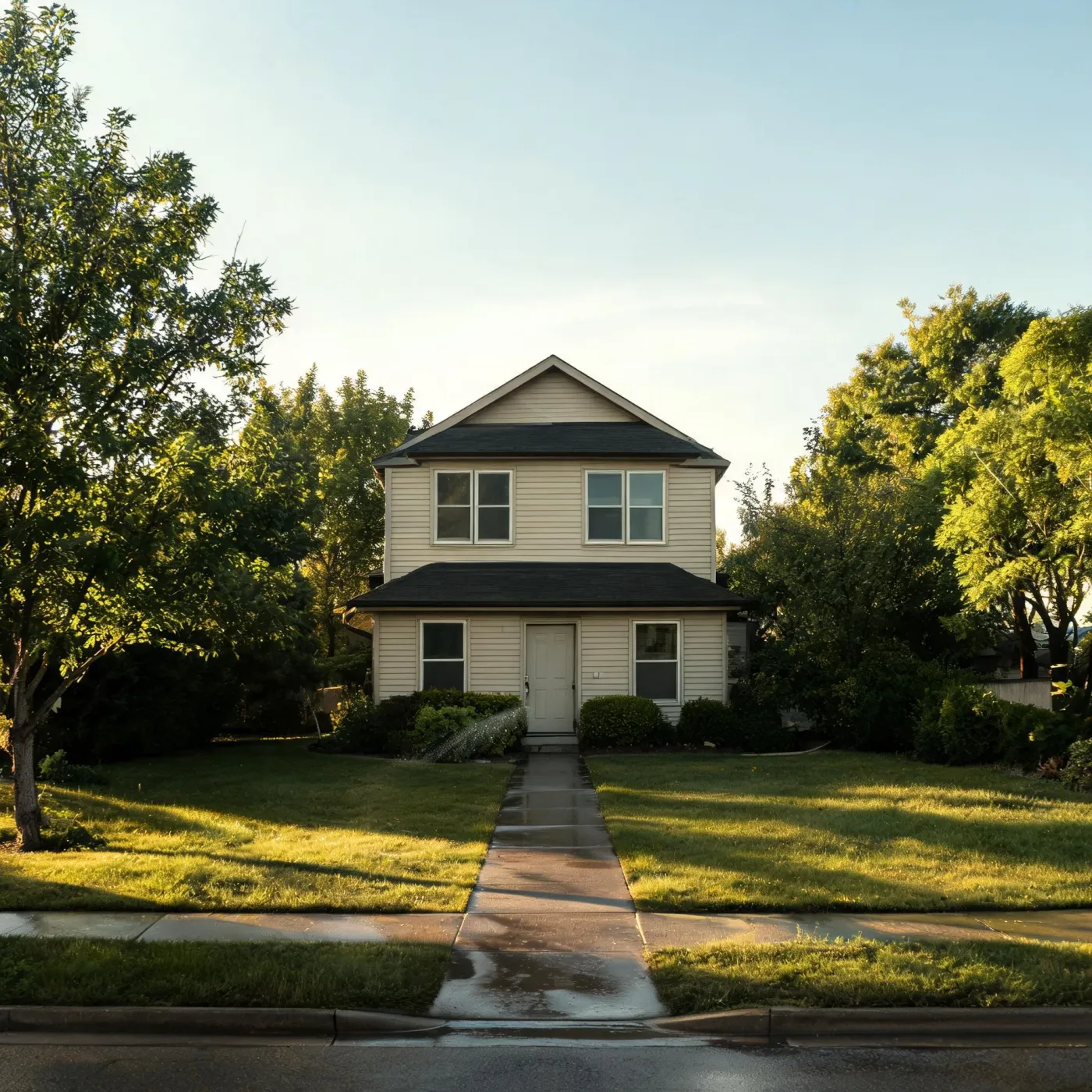
A two-story house with cream horizontal siding, a dark gabled roof, and a white front door, fronted by a lawn, shrubs, and a concrete walkway leading to a sidewalk and street, with large leafy trees on both sides.

Summers here run sticky, and the number behind that is a dew point averaging 63°F across June, July and August, per NOAA climate data for Illinois. That's the air your mini split's outdoor unit has to work in, and it's also the air it's pulling moisture out of on the indoor side. A sticky summer keeps the compressor cycling longer to wring that humidity out, even on days that aren't especially hot. You'll notice it as a unit that seems to run longer than the temperature alone would explain. That's normal for a mini split doing real work on a muggy day, not a sign anything's wrong.

NASA POWER T2MDEW county cells weighted by homes

Let someone else find the pro

A mini split installed right can take the edge off what gas alone would cost you, but getting there means sizing it to the rooms you actually use and setting it up to hand off to the furnace once the temperature drops. That's a balance most people installing one on their own get wrong, either oversizing the unit or running it straight through a cold snap it was never meant to carry. A contractor who's installed them around Illinois knows where that line sits for your house and your climate zone, and where to put the outdoor unit so it isn't fighting ice or buried in a snowbank by January. Right now you're looking at calling around, explaining your setup to whoever picks up, and hoping the quotes you get back are even comparing the same work. Send the request once and that work is off your plate. You still have a winter to get through. Might as well get the install done by someone who's done it before.

What changes in the house

Once it's running, the room with the indoor unit heats faster than the rest of the house and holds a steadier temperature than a furnace vent ever does. You'll notice the thermostat on the wall unit doing more of the work in that room, and the furnace cycling less to cover it. On a mild evening you may not hear the furnace kick on at all. On a hard freeze night, it still does, and that's expected. The mini split isn't meant to replace it then, just to carry the easier hours.

What it risks if sized wrong

A mini split sized too big for the room short cycles, turning on and off instead of running steady, and that wastes power without heating any better. One sized too small runs flat out on cold nights and still leaves the room cold, pushing you to turn up the furnace anyway, so you're paying for both. Getting the size and the handoff to the furnace wrong is the most common way a mini split ends up costing more instead of less. It's also the part that's hardest to judge without walking the rooms it's heating.

Power costs 17.67 cents per kilowatt-hour statewide

At 17.67 cents per kilowatt-hour, every hour your mini split leans on its backup strips instead of the compressor costs you. Keep it running in heat pump mode on the milder nights and let the furnace take over when it's brutal, and you'll keep that rate from working against you.

EIA-861 2025 statewide residential average

Where this leaves you

  • A mini split lowers your heating bill only on the nights it's running instead of gas, not around the clock.
  • Below roughly 5 degrees Fahrenheit, the mini split leans on backup strips at 17.67 cents a kilowatt-hour, and the furnace wins that fight.
  • Sized to the rooms you use and handed off to the furnace on the coldest nights, a mini split can trim what gas alone would cost you.
  • Illinois winters push well below freezing often enough that the mini split works best as a partner to your furnace, not a replacement for it.
  • Getting the sizing and the handoff right takes someone who installs these for a living, not a guess from a brochure.

So the answer is yes, with a condition attached. A mini split can lower your heating bill in Illinois, but only for the stretch of the year it's actually doing the work instead of your furnace. Run the numbers honestly and the mild months, October and the back end of spring, are where it earns its keep. Once the temperature drops hard enough to push the unit onto backup strips, gas is doing the cheaper job, and the mini split should be handing off rather than fighting to keep up. Getting that handoff set correctly, along with sizing the unit to the rooms you actually use, is the part that decides whether you see savings or just a second utility bill stacked on the first. That's not a setting you guess at from a manual. It's a judgment call that depends on your house, your rooms and your furnace, made by someone who's installed enough of these to know where the line sits. Instead of spending your evenings calling around, explaining your setup to four different contractors and sorting through quotes that all assume different things about your house, you can send one form and let the matching happen. The rooms you use, the furnace you already have and the winters you already know are the facts. What you do with them next is the only open question, and that's the part where getting it installed right matters more than getting it installed fast.

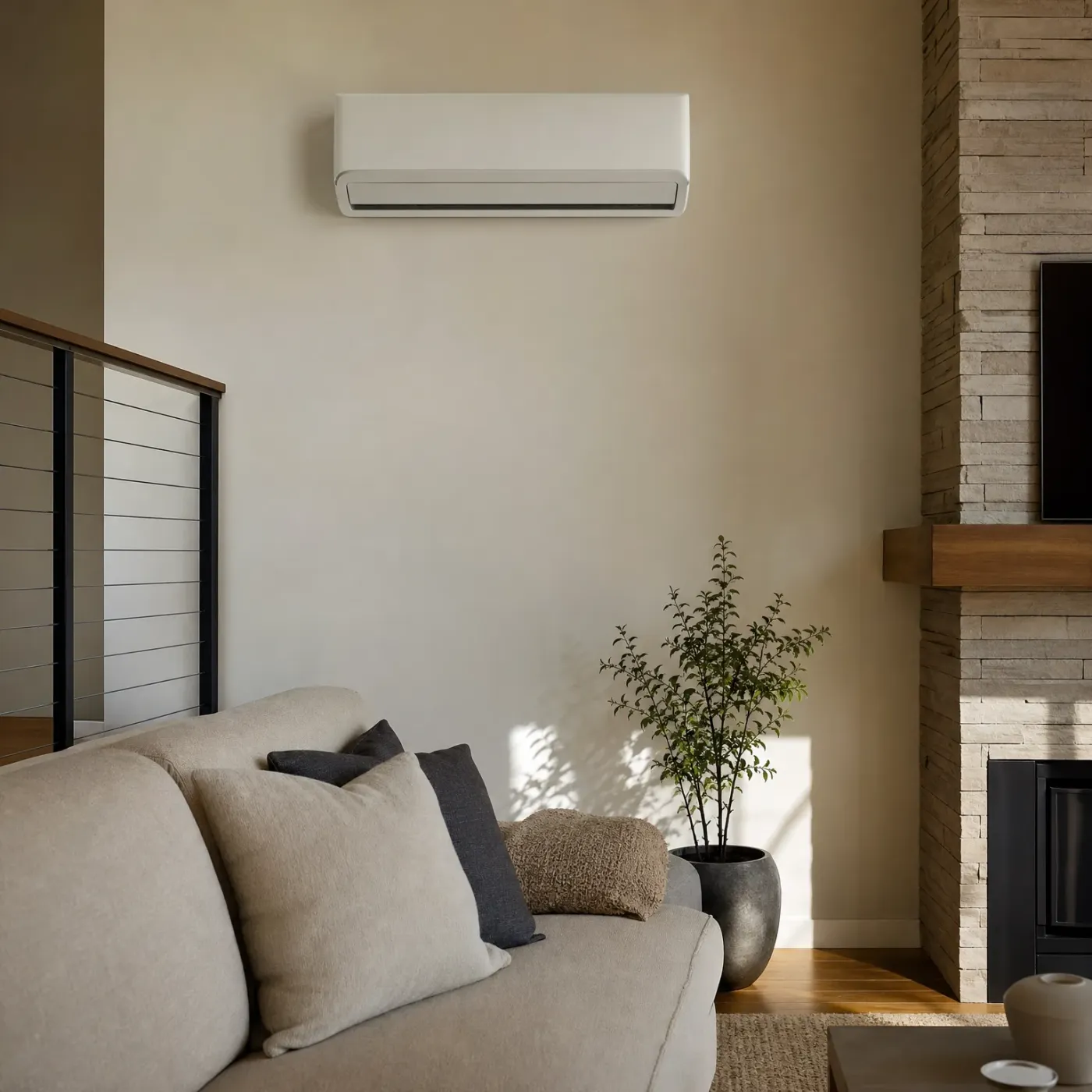
Interior living room with a white wall-mounted mini-split air conditioner high on a beige wall, a light gray sofa with cushions, a potted small tree, a stacked-stone fireplace with wood mantel and mounted TV, and a cable railing at left.

One request and it's handed off

Hand it over

Skip the round of in-home estimates for a new mini split.

You're not committing to anything by asking.