5°F
Cold-climate mini splits are rated to keep producing heat at outdoor temperatures this low, which covers nearly every cold snap Illinois sees in a normal winter.
Matched to your mini split job
A cold-climate mini split has to earn its keep two ways here: cooling a muggy Illinois summer and standing in for part of your gas heat when winter hits hard. This page gets into how it holds up on the coldest days and what that means next to your gas furnace and your power bill. Answer the questions below and get matched with a contractor who can look at your setup.
Find a mini split proYes, a cold-climate mini split is worth it in Illinois, but it earns its keep differently than a standard one would. These units use a different compressor design built to keep pulling heat from outside air even when the temperature drops well below freezing, instead of giving up and leaning entirely on backup heat strips the way older heat pumps do. In Illinois, that matters because winter lows can sit well under freezing for weeks at a stretch. A cold-climate model keeps working through that stretch instead of stalling out on the coldest nights. For you, that means the mini split can cover a real share of your heating instead of just the shoulder months, running alongside your gas furnace rather than sitting idle most of the winter. In summer, the same unit handles the humidity without strain. Whether it's worth installing depends on your home's layout and what you're trying to replace or supplement, but the cold-climate version is the one built for Illinois winters specifically.


The outdoor unit doesn't just switch on and off like a standard system. A variable-speed compressor ramps up as it gets colder, pulling harder to keep pace with the heat loss. It's still moving heat from outside air into your house through refrigerant, same as any heat pump, but a cold-climate model is built to keep doing that when the air outside is well below freezing. Partway through the cycle, a vapor injection circuit adds refrigerant into the compressor to keep output from dropping off. The outdoor coil ices up in freezing weather, so the system runs a short defrost cycle now and then, reversing briefly to clear the coil before going back to heating. Most of these units can still put out useful heat down near 5 degrees Fahrenheit, sometimes lower, well past where a standard heat pump would quit and hand things over to the furnace. Inside, each head adjusts its own fan speed and refrigerant flow, which is why the room holds steady instead of swinging the way it does under a furnace that's cycling on and off.
Picture a January morning in your house. The furnace is doing most of the work, the way it was before the mini split went in, and the mini split is handling the room it serves instead of straining to cover the whole house. That's how the two are meant to split the job. Your electric bill reflects that split too. The outdoor unit draws more power holding heat on a cold night than it does pulling humidity out of the air in July, so a jump in winter usage isn't a sign anything's wrong. Where the unit really shows its value is August, on the kind of sticky afternoon Illinois summers are known for, cooling the room and taking the damp out of the air at the same time. Watch the outdoor unit during a cold stretch. It should defrost itself and keep running. If ice builds up and stays, that's a problem worth getting looked at before the next cold snap, not after. And remember what it was actually sized for. A unit installed to cover one room was never going to help the rooms down the hall, so what it's worth to you depends on how much of the house it was meant to reach. Skip the coil and filter cleaning and you lose ground on both ends, less cooling in summer, less heat pulled in winter, from the same neglect.
Cold-climate mini splits are rated to keep producing heat at outdoor temperatures this low, which covers nearly every cold snap Illinois sees in a normal winter.
It has to cool a muggy summer and carry part of your heat load in winter. A unit sized and installed for both is what makes it worth the cost here.




Once you send the form, finding a pro is off your list.
You only hire the pro if you want to.
The thermostat calls for heat and signals the outdoor unit
The variable-speed compressor spins up to pull heat from cold outside air
Refrigerant carries that heat through the line set to the indoor head
The indoor unit's fan pushes warmed air into the room
You've probably noticed the outdoor unit pause and a puff of steam rise off it on a cold day, then it's back to running like normal. It can look like a malfunction if you don't know what's happening. With Illinois winters dipping well below freezing for stretches, this is something your mini split does on its own, on a schedule you'd never think to check.
The outdoor unit has a coil sensor that watches both the coil's surface temperature and how long it's been running in cold, damp air. Frost forms on that coil whenever heat is pulled from outside air near or below freezing, and enough of it blocks airflow and cuts how much heat the unit can move. When the sensor reads a buildup, the system briefly reverses itself, runs like an air conditioner for a few minutes to melt the frost off, then switches back to heating. That's the steam you see rising off the unit. During this, the indoor head may blow cool or no air, and the furnace can pick up the gap. It's a normal cycle, not a sign anything's wrong.

Summer here runs sticky, and the number behind that is a dew point averaging 63°F across June, July and August, per NOAA climate data. That's heavy, damp air, the kind that makes a room feel warm even when the thermostat says otherwise. Your mini split has to wring that moisture out before the air feels comfortable, not just drop the temperature. On a muggy afternoon you'll hear the outdoor unit running longer and steadier, pulling moisture along with heat. A unit that's clean and properly charged keeps up with that. One that isn't will cool the room some but leave the air feeling damp and heavy anyway.
NASA POWER T2MDEW county cells weighted by homes
You might notice the room your mini split serves never quite catches up on the coldest mornings, or the indoor head is blowing air that feels cooler than it should. Maybe you hear the outdoor unit running longer than it used to, or it cycles off and on more than it did last winter. A coil caked with dust or a filter that hasn't been rinsed in a while makes the unit strain to pull the same heat out of cold air, so it runs longer for less warmth. Left that way through a full winter, it leans harder on your furnace to pick up the slack and pushes your electric bill up for a room that still feels cold.
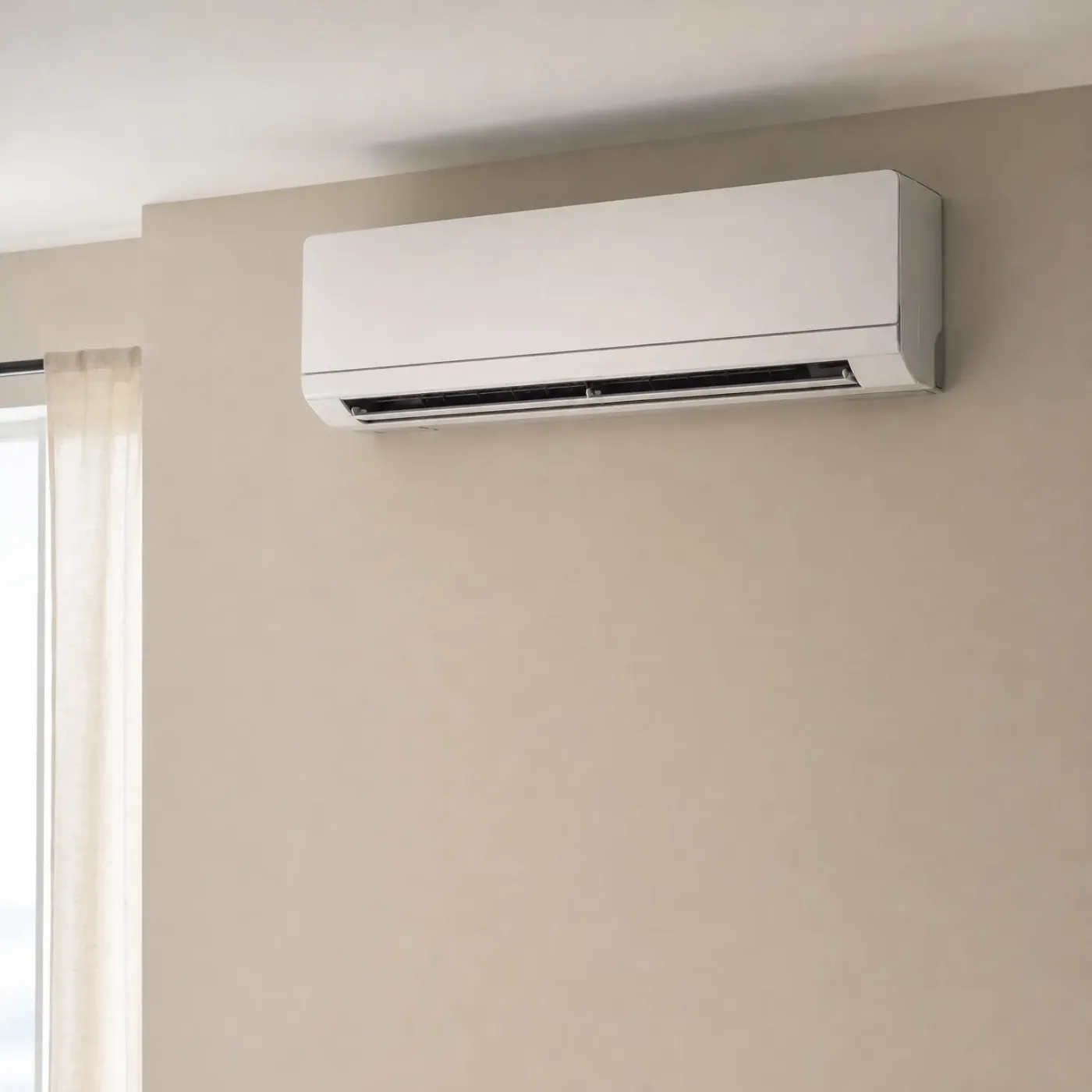
A clean mini split carries its share of the house without strain. The coil stays clear, so it pulls heat from cold air in winter and pulls humidity out of sticky air in summer the way it's built to. The indoor head puts out air at the temperature it's supposed to, not something weaker.
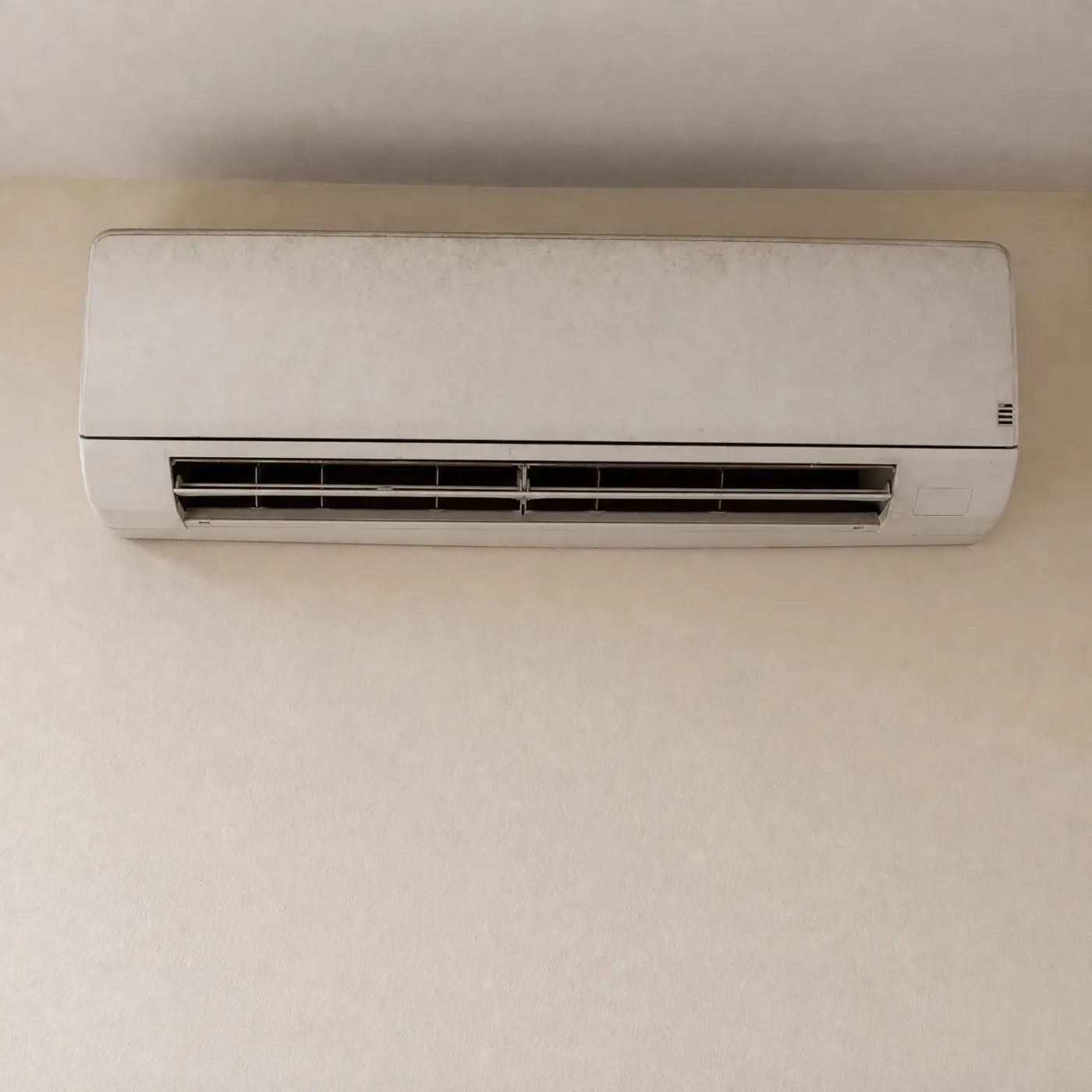
Dust on the coil and a clogged filter block airflow, so the unit works harder to move less heat and less cool air. In winter it struggles to hold its output down near zero. In summer it leaves the room muggy. Either way your gas furnace or your electric bill picks up the slack.
At 17.67 cents a kilowatt-hour, every hour your outdoor unit spends working hard in the cold shows up on the bill. That's why most homes here still lean on gas furnace heat for the bulk of winter and let the mini split carry the rooms it serves best.
EIA-861 2025 statewide residential average
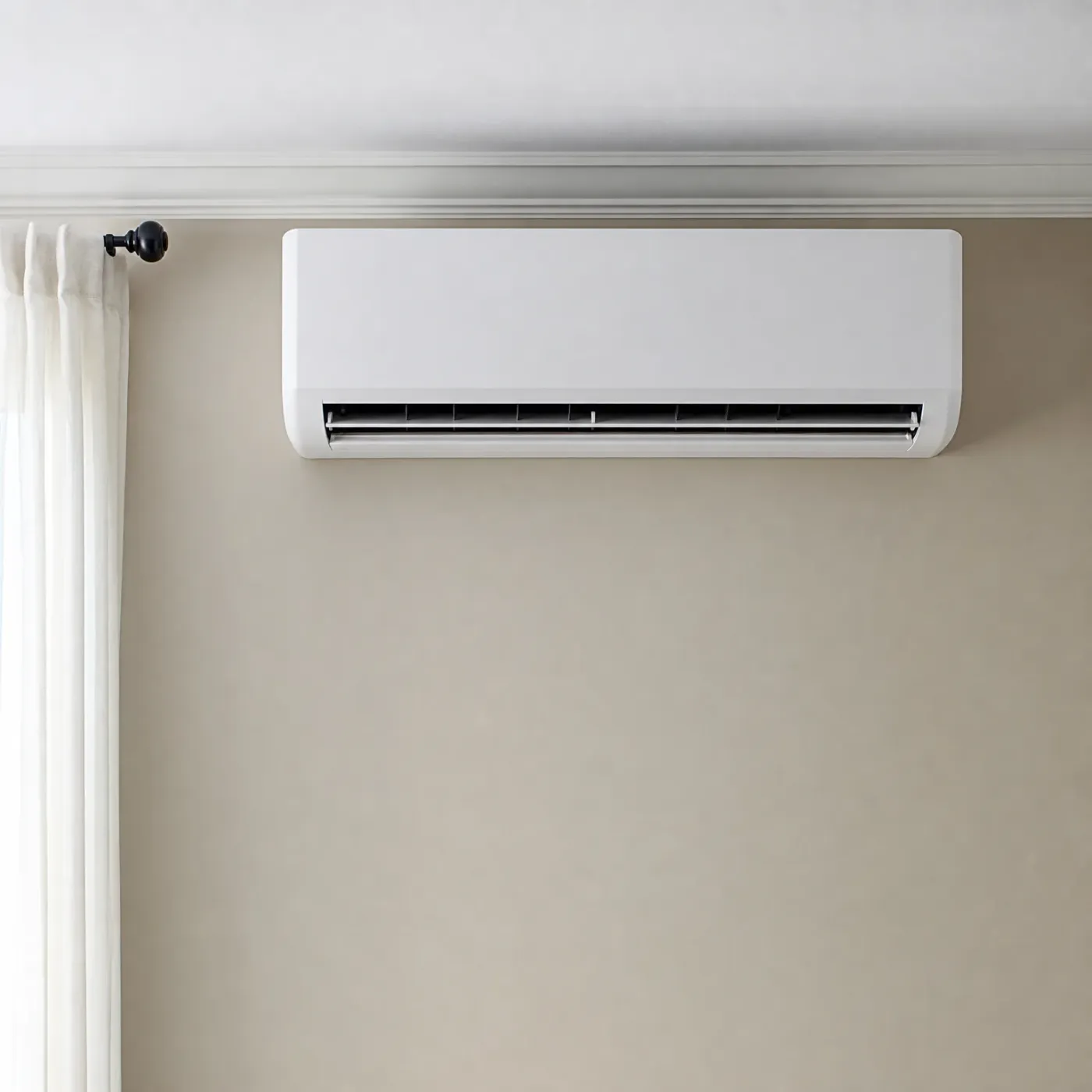
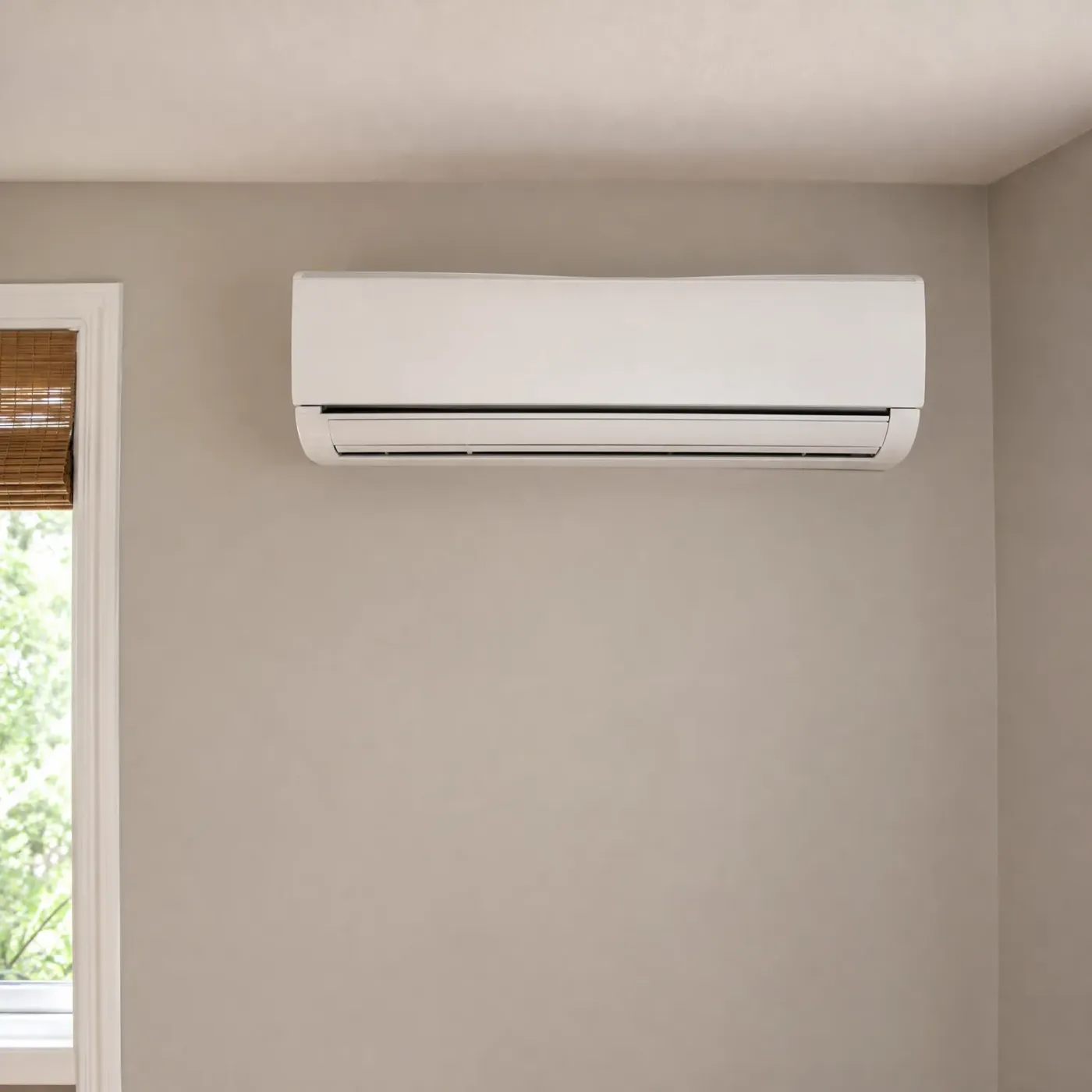
The coil behind that casing is clear, so the unit pulls heat from cold air without a fight. Air comes off the indoor head at full strength, the room catches up on schedule, and the outdoor unit isn't working longer hours than it should.
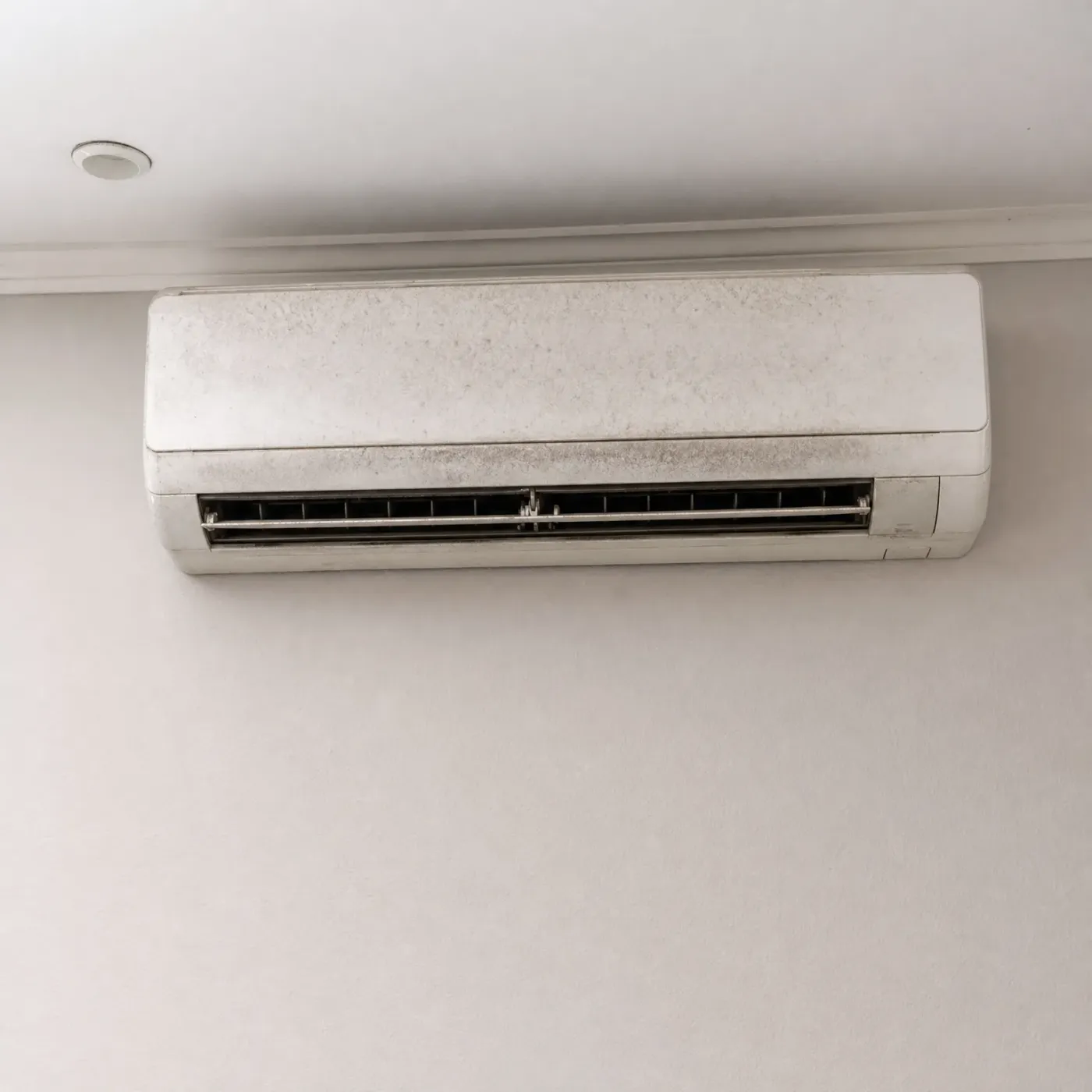
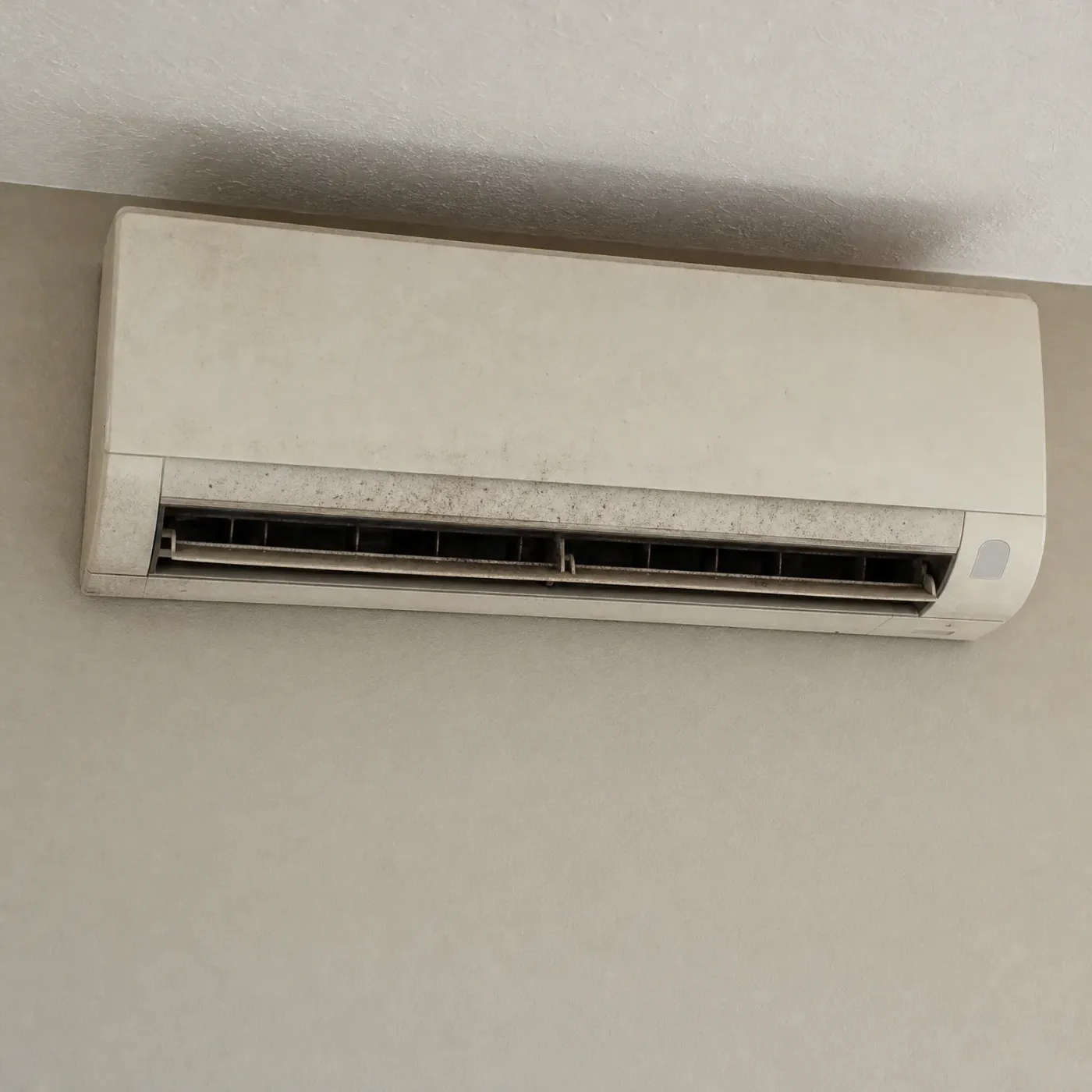
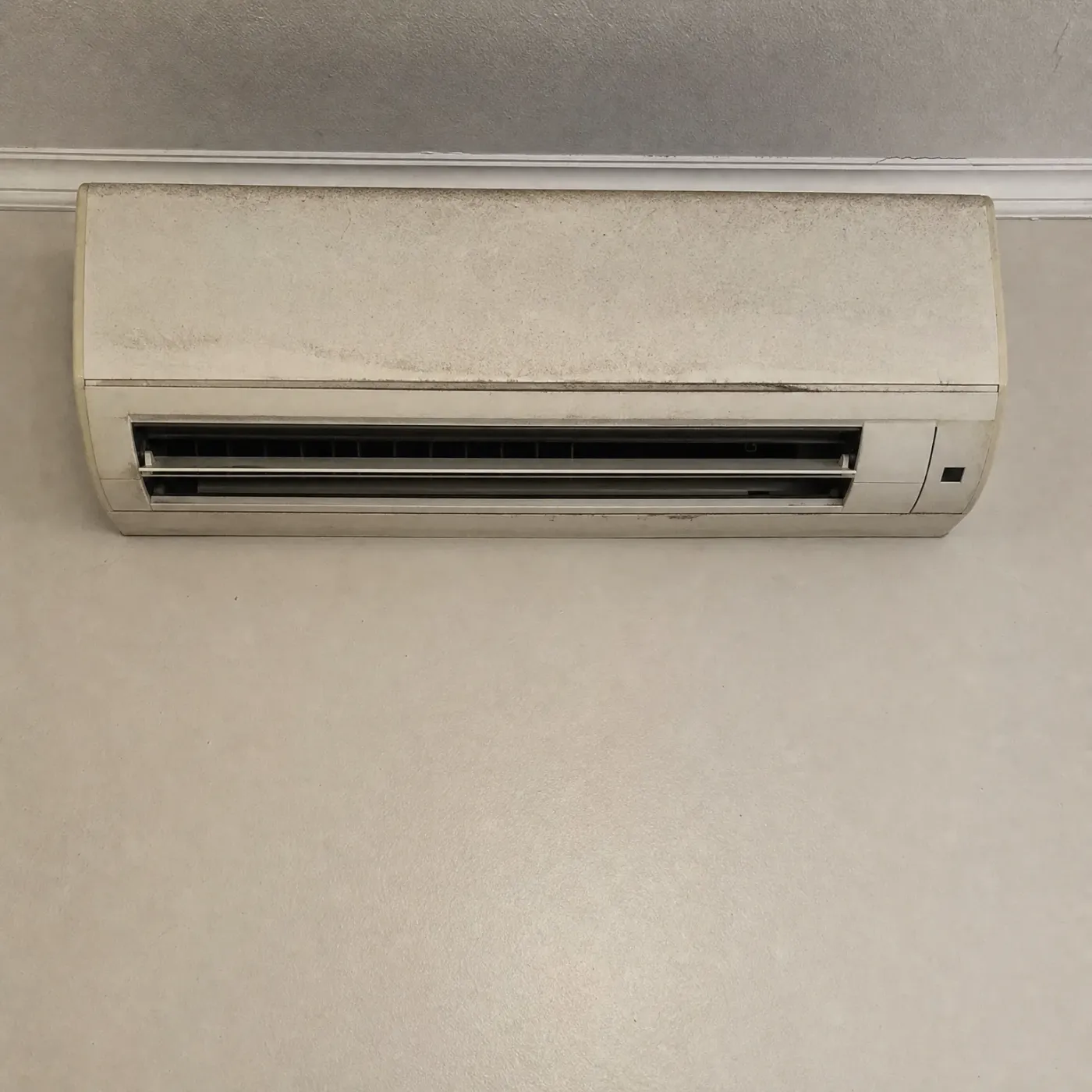
That grime on the casing usually means the filter and coil behind it are just as caked. Airflow drops, the head puts out less heat than it's set for, and the outdoor unit runs longer to make up the difference. On a cold snap it shows up as a room that never quite gets there.

A cold-climate mini split is worth it here. It keeps a muggy summer comfortable and it pulls real heat out of cold air long after a standard unit would quit, right down to the kind of cold Illinois sees most winters. It won't replace your gas furnace on the hardest nights, but it doesn't need to. The two working together, each carrying what it does best, is the setup that holds up.
What decides whether yours delivers on that is installation and the upkeep after. A unit sized wrong for the rooms it serves, or set up without attention to your home's layout, will struggle no matter how good the compressor is. If you're weighing a new installation or wondering whether the one you have was put in right, a contractor who works on these systems in Illinois homes can look at your setup and tell you where you stand. Send in what you're working with and someone who knows this equipment will follow up, so figuring out the right fit stops being something you have to sort out on your own.

Get the right pro for your mini split