
Is a mini split cheaper than baseboard heat in Illinois
Is a mini split cheaper to run than baseboard heat in Illinois?
You've got baseboard heat in part of the house and you're wondering if switching that load over to the mini split actually saves you money here in Illinois, where winters push electric baseboard hard and power isn't cheap. You're not looking to guess. You want to know what the bill difference really looks like before you decide to lean on the mini split more.
Yes, for most of the winter.
Electric baseboard heat turns electricity straight into heat, nothing more. A mini split moves heat from outside air into the house instead, so it produces more heat for the same amount of electricity it draws. That gap holds for most of an Illinois winter. It narrows on the coldest nights, when outdoor air has less heat to pull from and the mini split has to work harder to keep up. With power priced the way it is here, that difference shows up on the bill. If your house still has baseboard heaters running alongside the mini split, shifting more of the load onto the mini split is usually the cheaper way to heat.





What that baseboard heat is actually costing you
If you've got a room on electric baseboard, you've probably already seen that bill. Illinois power rates aren't cheap, and resistance heat has no way around that. It turns electricity into heat at a flat rate, no multiplier, while a mini split moves heat instead of generating it and gets more warmth out of the same amount of power. That gap shows up most in January and February, when that baseboard is running close to all day.
Most houses here lean on gas for the main heat, so the baseboard is probably covering one room, a bonus space, an addition. That makes it a smaller fix than replacing a furnace, but it's still worth sizing correctly for the room it's in and for how that room is used. A contractor who looks at the room, the insulation around it, and what the mini split can actually cover will tell you whether swapping that load over is worth doing in your house, and you can have that conversation without doing the legwork of finding someone yourself.

Why a heat pump beats resistance heat
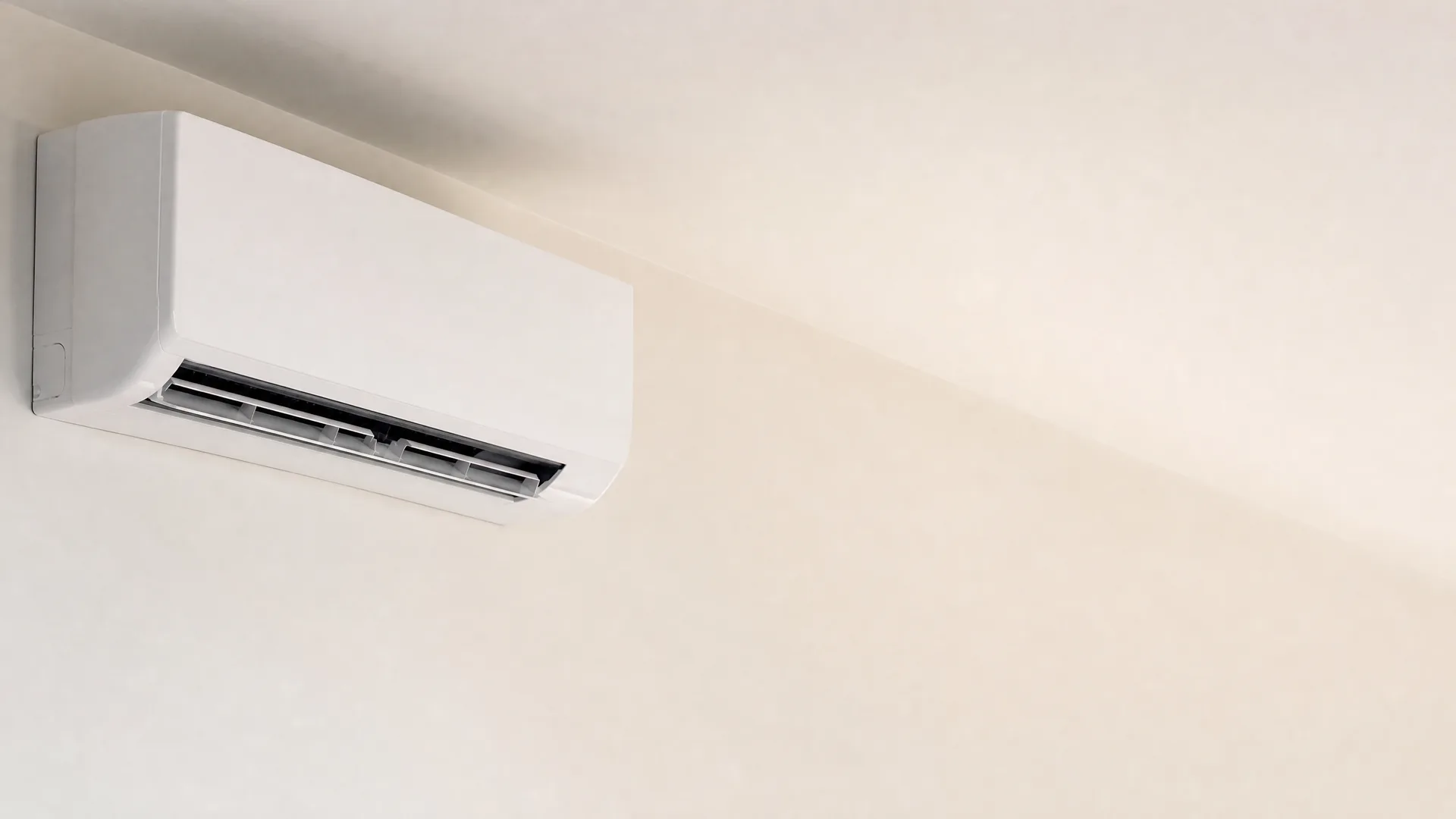
Baseboard heat makes warmth by brute force. Every watt in becomes a watt of heat, no more. A mini split works differently. It moves heat from the outside air into the room instead of generating it from scratch, so it can deliver two or three times the heat per watt of power it uses. That difference holds even on a cold Illinois night, though it narrows as the temperature drops.
What this looks like on one circuit
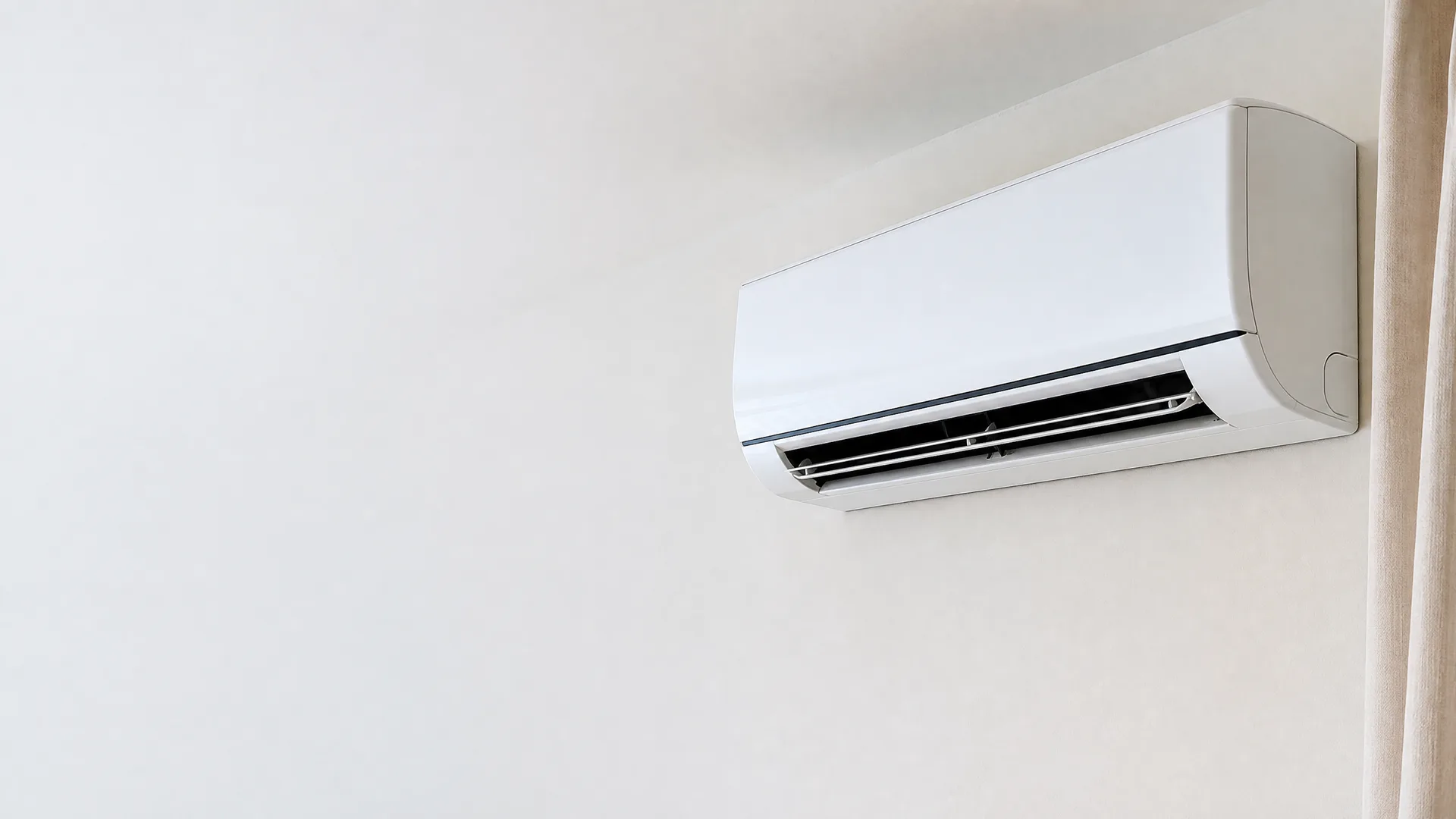
If the baseboard is set up on its own circuit now, that same wiring is usually part of what a contractor checks before swapping it for a mini split head in that room. The outdoor unit can serve just that space or tie into others already on a multi zone system. Either way, the room stops relying on resistance heat alone, and whatever you were paying to keep it warm has room to drop.
Power costs 17.67 cents per kilowatt-hour statewide
At that rate, every kilowatt-hour your baseboard heaters pull costs the same whether it's making heat or not, since resistance heat gets nothing extra for the power it uses. A mini split pulls from the same expensive grid, but it stretches each kilowatt-hour into more heat for the room.
EIA-861 2025 statewide residential average
A local pro for your mini split installation
Once you send the form, finding a pro is off your list.
A local installer who puts in mini splits gets your project.
Sending the form costs nothing.
Baseboard Heat vs Mini Split
Baseboard heat
- Every watt pulled from the panel becomes a watt of heat, so the cost per hour is fixed no matter how cold it gets outside.
- There's no outdoor unit and nothing to maintain beyond the thermostat and the element itself.
- It heats the one room it's in, so a house with several baseboard zones means paying for each one separately.
- On the coldest nights it runs exactly as hard as it does on a mild one, pulling the same rate for the same heat.
- Installation is simple wiring work, no refrigerant lines or outdoor placement to plan around.
Mini split
- It moves heat instead of making it, so one kilowatt-hour of Illinois power delivers more warmth than baseboard gets from the same kilowatt-hour.
- Below a certain outdoor temperature its output drops off, so how much it saves depends on how cold your winters actually run.
- One indoor head conditions the room it's in, same as baseboard, but it also covers cooling for that space come summer.
- Installation means an outdoor condenser and a line set through the wall, more work than running baseboard ever takes.
- If it's replacing baseboard in one room rather than the whole house, the savings only apply to that room's load.


The answer, plainly
- A mini split moves heat instead of generating it, so it costs less per hour than baseboard heat does on Illinois's expensive power rates.
- Baseboard heat holds steady at a fixed cost per hour no matter how cold it gets, with nothing to adjust that math.
- The savings show up room by room, only in the space the mini split actually covers.
- Once you send the form, you're done hunting for someone to look at the install, that part is off your plate.
- A mini split run in reverse also covers you for the sticky Illinois summers baseboard heat never touched.
Yes, a mini split costs less to run than baseboard heat in Illinois, and the reason comes down to how each one makes heat. Baseboard heat has no efficiency to gain. A mini split moves heat from outside air instead of manufacturing it from raw electricity, so it gets more warmth out of the same expensive kilowatt-hour. That difference holds all winter, through the coldest stretches Illinois gets, because it comes from how the two machines work, not from the weather on a given day. Baseboard heat's cost per hour never moves. A mini split's does the opposite: it keeps stretching the same power bill further wherever it replaces that baseboard unit. The savings are specific to the room the mini split actually heats. If baseboard still runs somewhere else in the house, that part of the bill stays exactly what it was. And because a mini split runs in both directions, the same equipment that cuts your heating cost also covers you when summer turns sticky, something baseboard heat was never built to do. Most homes in Illinois lean on gas for heat, which makes the baseboard rooms the exception, and those are the rooms where a mini split has the clearest case. Once you send the form, the search part ends. You're not the one tracking down who's available or who's worth calling, someone reaches out and takes it from there.


Get the right pro for your mini split
After you send the request, you're done searching.
You're not committing to anything by asking.