
Before maintenance
The outdoor unit works harder in cold weather to pull the same heat, and a dirty coil or low airflow makes that worse. You pay more to get less warmth out of it.

You've got a mini split, and most homes around here still lean on gas furnaces for the hard months. You're wondering if the mini split can carry winter on its own, or if it's better off paired with the furnace, since Illinois winters don't let up and power here isn't cheap to run a heat strip on.
A mini split heats by pulling warmth from outside air, and that gets harder as the temperature drops. Most units lose real capacity somewhere in the teens, and below that they lean on electric backup heat to keep up, which costs more to run than gas. In Illinois, where winter can sit near or below freezing for weeks, that means the furnace is usually the cheaper, steadier source of heat once a real cold snap sets in. The mini split still earns its keep in fall and the milder stretches of winter, and in rooms the furnace doesn't reach well. Letting both share the load, furnace for the deep cold, mini split for the rest, is what keeps the electric bill from climbing when it matters.
A mini split pulls heat from outside air, and the colder that air gets, the less heat there is to pull. Most units lose real capacity once temperatures drop into the teens or below. Illinois sees stretches like that most winters. The compressor keeps running, but it's working harder to put out less heat, and that's when the gas furnace earns its keep.
Below freezing, the outdoor unit goes through defrost cycles, briefly reversing to melt frost off the coil before switching back to heating. That's normal. What isn't normal is ice building up faster than the unit can clear it, which points to a dirty coil, low refrigerant, or a fan that isn't moving enough air. A technician checking the unit before the cold sets in catches that before it costs you heat on the worst night of the year.




Skip calling around to set up a mini split tune-up.
No fee to send it, and nothing to sign.
If you run the mini split alone through January, you'll feel it in the rooms farthest from the indoor unit. They lag behind, and on the coldest mornings they might not catch up at all. The thermostat setting stops meaning much once the compressor can't keep pace. You'll also feel it on the power bill, since the unit is drawing more to produce less heat, and electricity here isn't the cheap option. None of this breaks the system. It just means the house asks more of it than it can give on those nights, and you end up adjusting your own comfort around what the unit can manage instead of the other way around.
A mini split that runs nonstop all winter without being looked at is working harder than one that gets checked partway through the season. The outdoor coil collects frost in cold weather, and a unit low on refrigerant or coated in frost loses even more of the capacity it already struggles with below freezing. Skip maintenance and you may not notice the slow decline until a hard cold snap exposes it, right when you need the heat most. Pairing the mini split with your furnace takes the pressure off, but either way, a unit that's due for a look stays worth catching before January decides it for you.
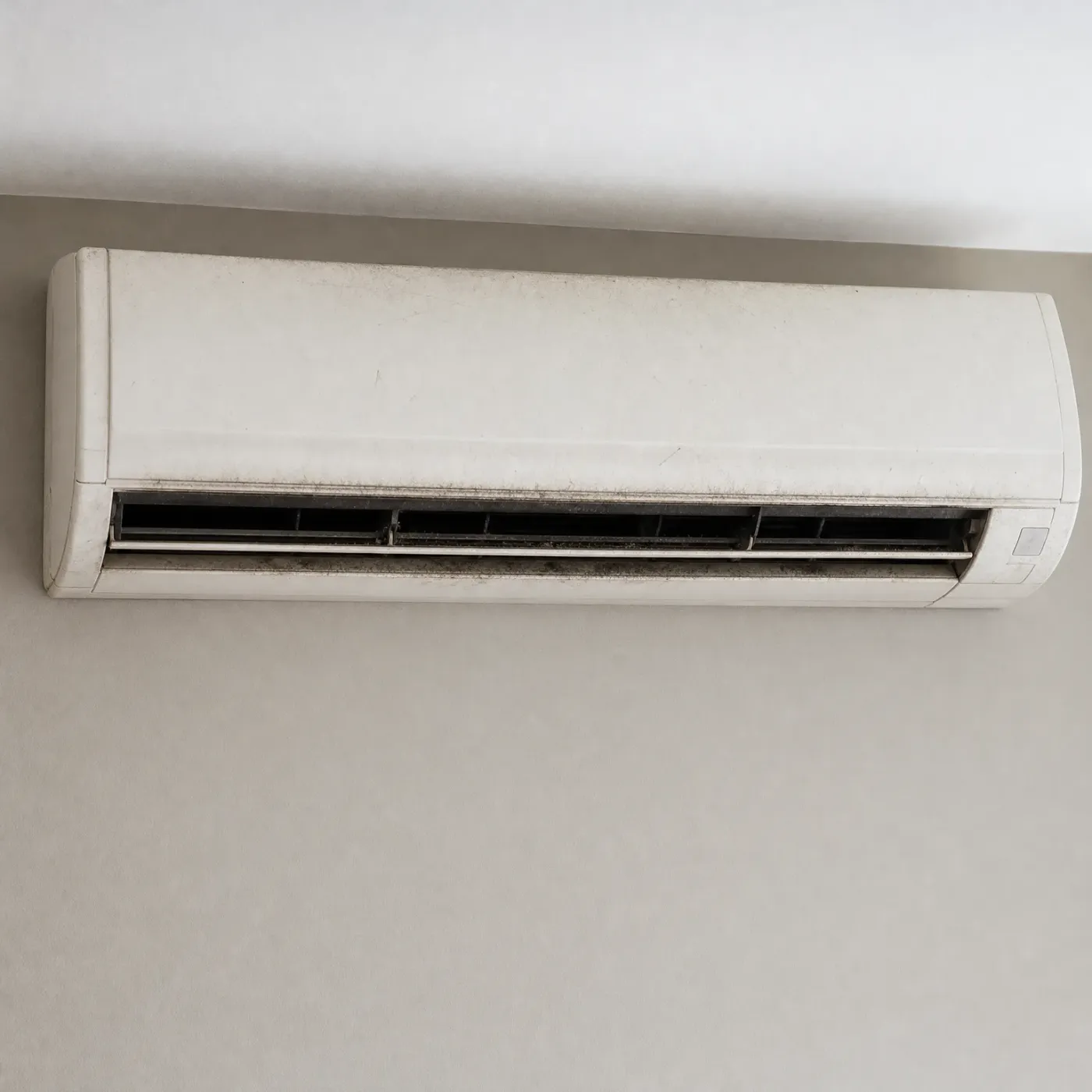
Cold weather changes how the outdoor unit behaves, and most of it has nothing to do with a problem. Ice builds up on the outdoor coil as the system pulls heat from cold air, so the unit reverses itself every so often to melt that ice off. You might notice the indoor fan slow down or blow cool air for a few minutes during this. That's the defrost cycle doing its job, not the system failing. Once temperatures drop below freezing, the compressor has to run longer stretches to move the same heat it moved easily in October. It cycles less often but works harder each time. Some units have a backup heat strip that switches on by itself once the outdoor coil can't keep up on its own. None of this shows up on your thermostat. The indoor reading can sit steady at 68 while the compressor outside is straining through its longest run of the day. A coil that's caked with dust or debris makes all of this worse, since ice forms faster on a coil that can't shed heat the way it should.


The outdoor unit works harder in cold weather to pull the same heat, and a dirty coil or low airflow makes that worse. You pay more to get less warmth out of it.
A clean coil and a technician's check on the refrigerant charge and airflow let the unit perform the way it's rated to in the cold. You get back whatever it was losing to grime and strain.
At 17.67 cents a kilowatt-hour, every hour the mini split spends straining in the cold shows up on your bill fast. Leaning on the furnace once temperatures drop keeps that strain, and the cost, off the mini split's shoulders.
EIA-861 2025 statewide residential average
A mini split can carry your house through a mild stretch, but in Illinois it works best as backup once the cold settles in, with the furnace doing the heavy lifting in January. That's the answer. Keeping it ready for the months it can actually help is maintenance, not guesswork, and it's worth having someone check the coil and refrigerant charge before the next cold snap rather than after. Finding that someone is the part that eats your evening: pulling up a list of contractors, calling a few, explaining the same thing about your unit three times, then sitting with quotes trying to tell them apart. Send the form here and that work is off your plate. You'll still be the one deciding what gets done to your system, but you won't be the one hunting for who gets to look at it.





Describe your mini split job once, to one pro.
You're not committing to anything by asking.