



What size mini split an Illinois home needs

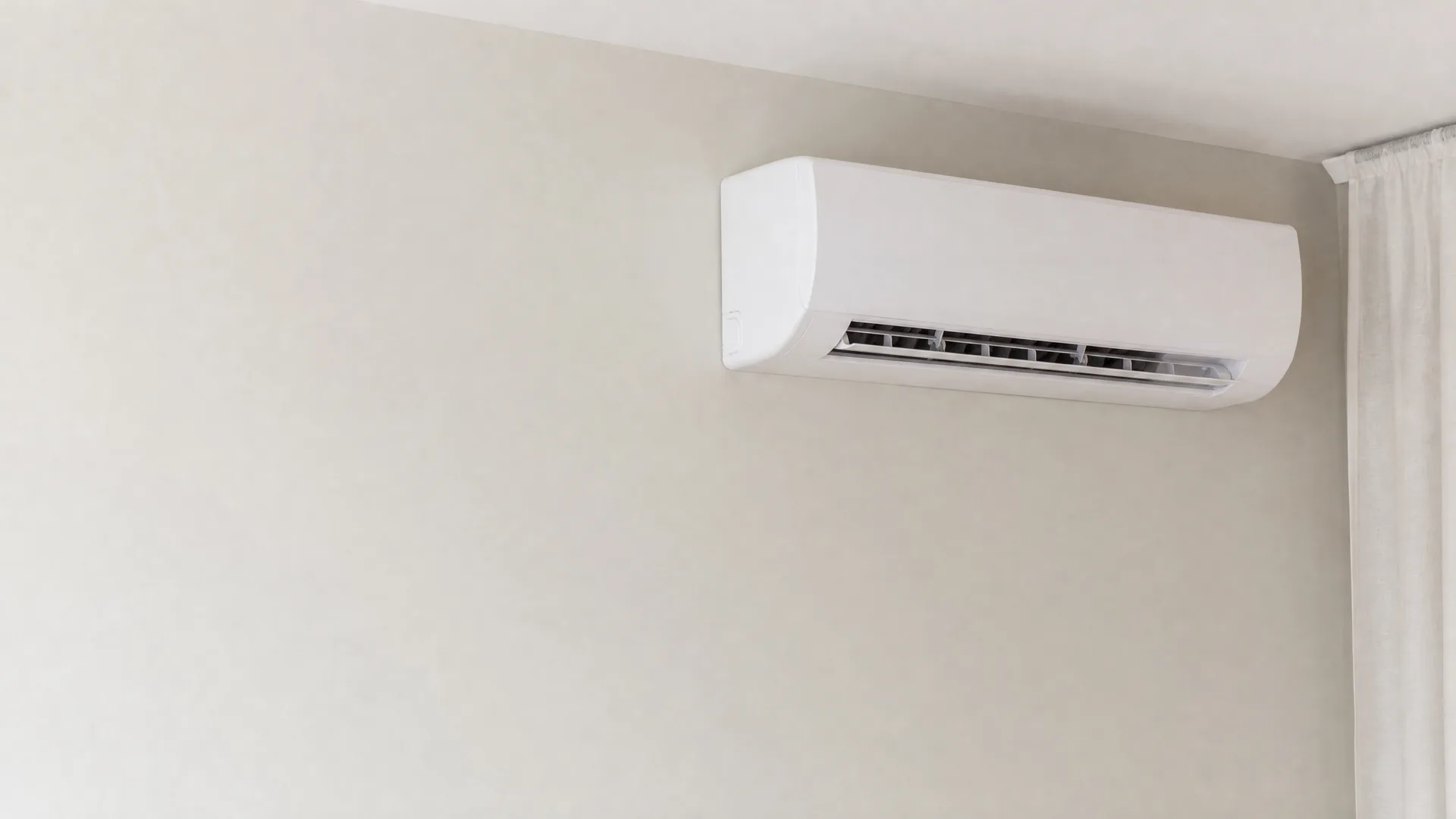
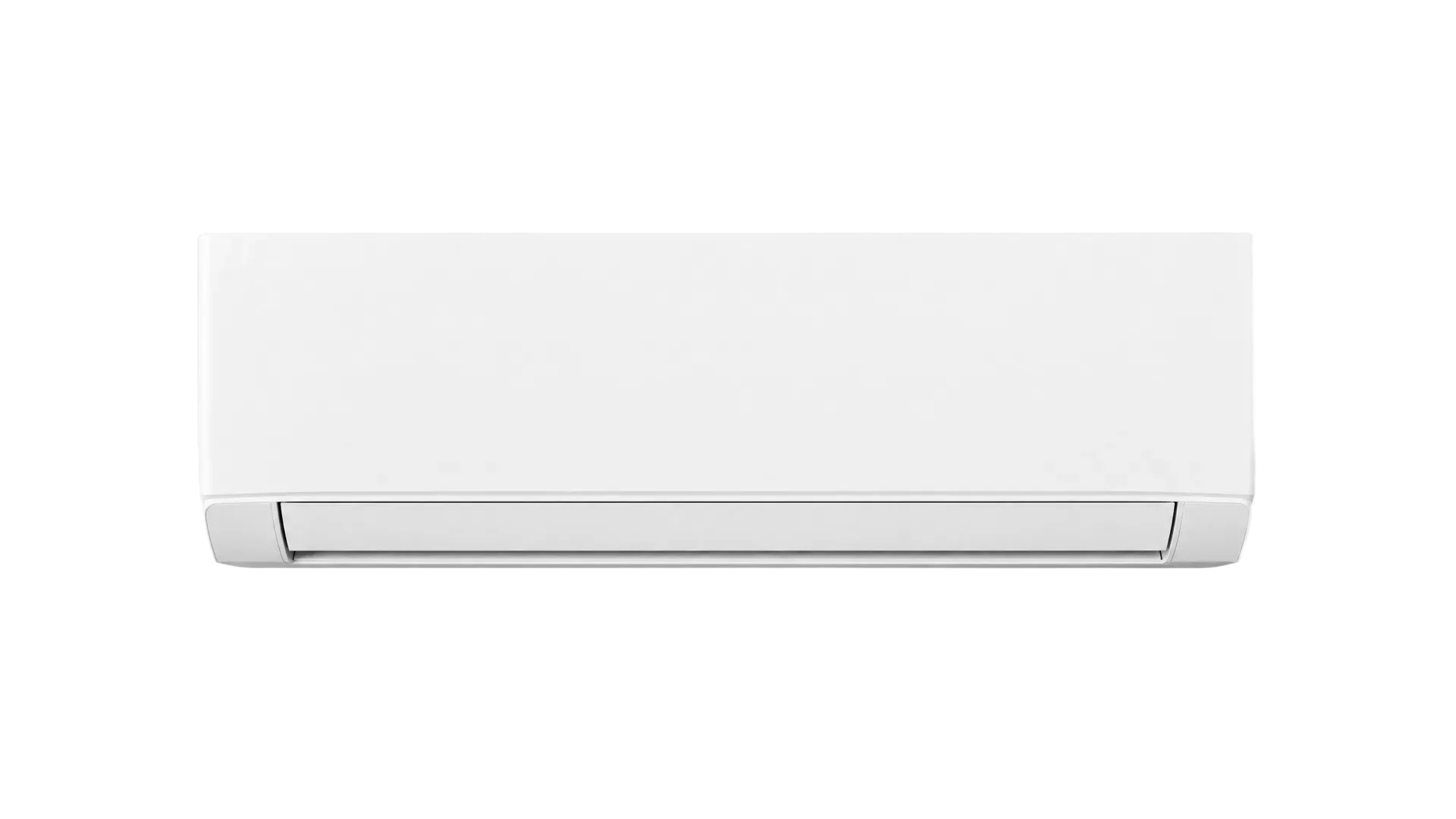
A white wall-mounted mini-split air conditioner indoor unit shown straight-on against a plain light gray background.
Start one form

There's no single size that fits every Illinois home. A mini split has to be matched to the square footage and layout of the room or space it's heating and cooling, and in this climate, erring small costs you comfort on both ends of the year. Summers here get sticky, so an undersized unit will run constantly in July and August and still leave the air feeling damp. Undersized also struggles in January when it's doing the heating, since most homes here lean on gas furnaces for backup and the mini split is covering a smaller load on its own. Going too big causes its own problems: the unit short cycles, turning on and off instead of running steady, which wears on it and leaves the room swinging between too warm and too cool. A contractor sizes it room by room, counting windows, ceiling height and insulation, not just floor space.

A woman in a knitted shawl sits in a living room with a fireplace, shelves, a sofa with cushions, and a lamp by a bright window, looking off to the side.
A woman with long brown wavy hair in a green shirt over a white top stands in a living room with built-in white shelves, a ceiling fan, a potted plant and a sliding glass door.
A woman with shoulder-length gray-streaked hair in a light gray knit sweater stands smiling and looking off to the side in a living room with a sofa, houseplant, framed picture, and sunlit sliding glass door.
A woman with shoulder-length curly gray hair wearing a gray knit sweater stands near a window with a sheer curtain, looking to the side, with a blurred interior room behind her.
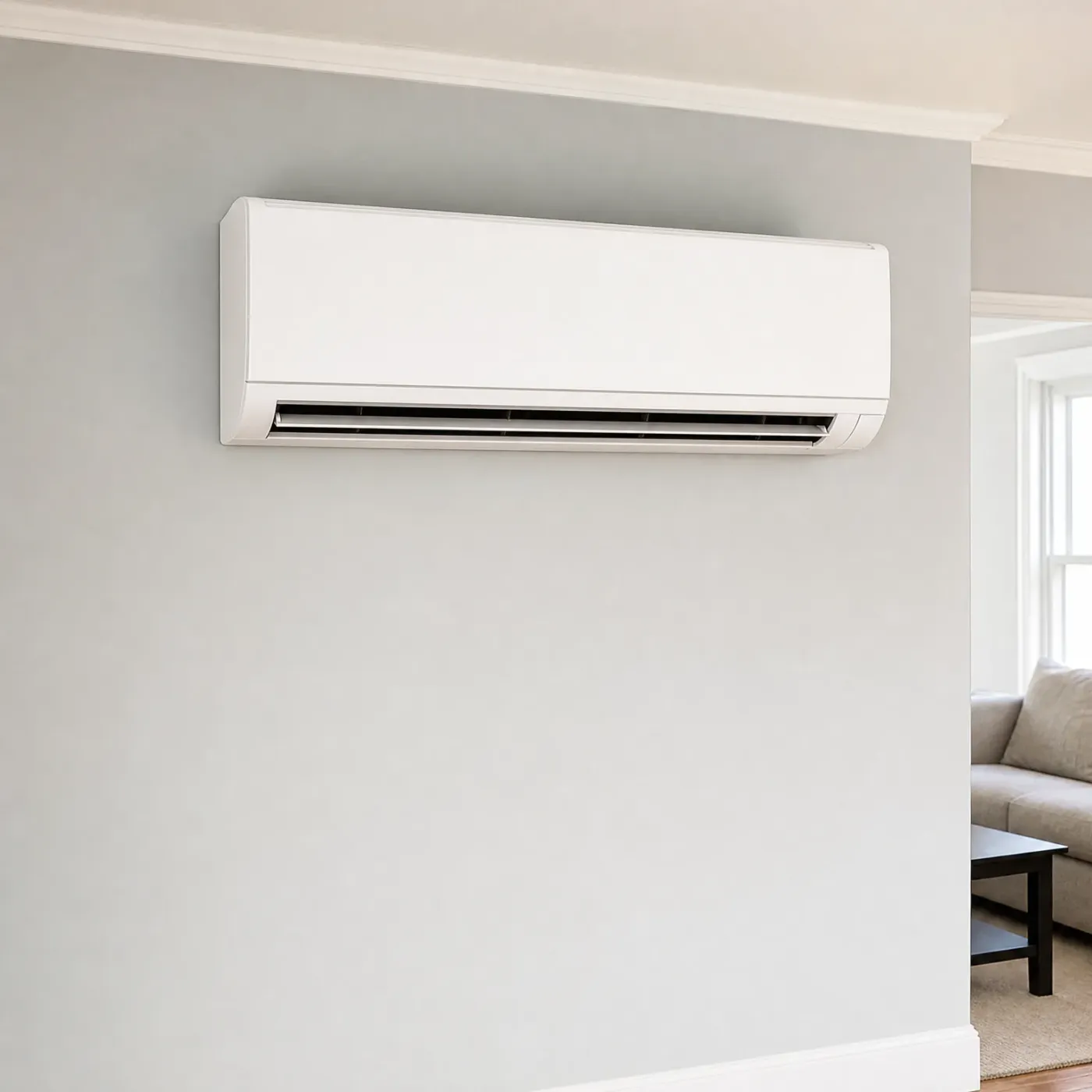
A white wall-mounted mini-split indoor unit installed high on a gray interior wall, with a sofa, dark table and window visible in an adjoining room to the right.

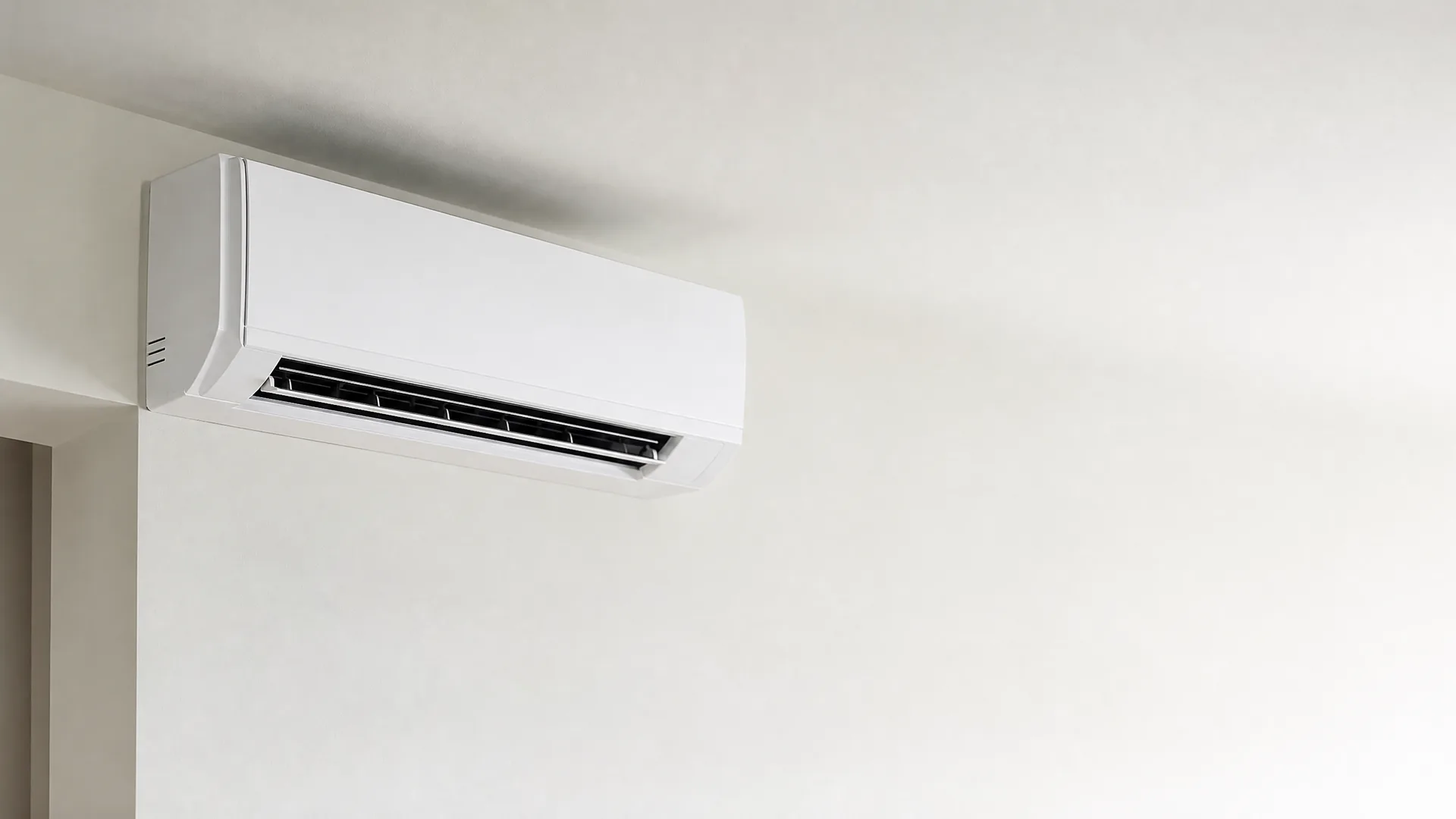
Sized right

The unit cycles on, runs steady, and goes quiet. It keeps up on a sticky July afternoon and still holds the room on a cold January night without straining. Air comes out even across the room instead of blasting one corner and leaving the rest warm.
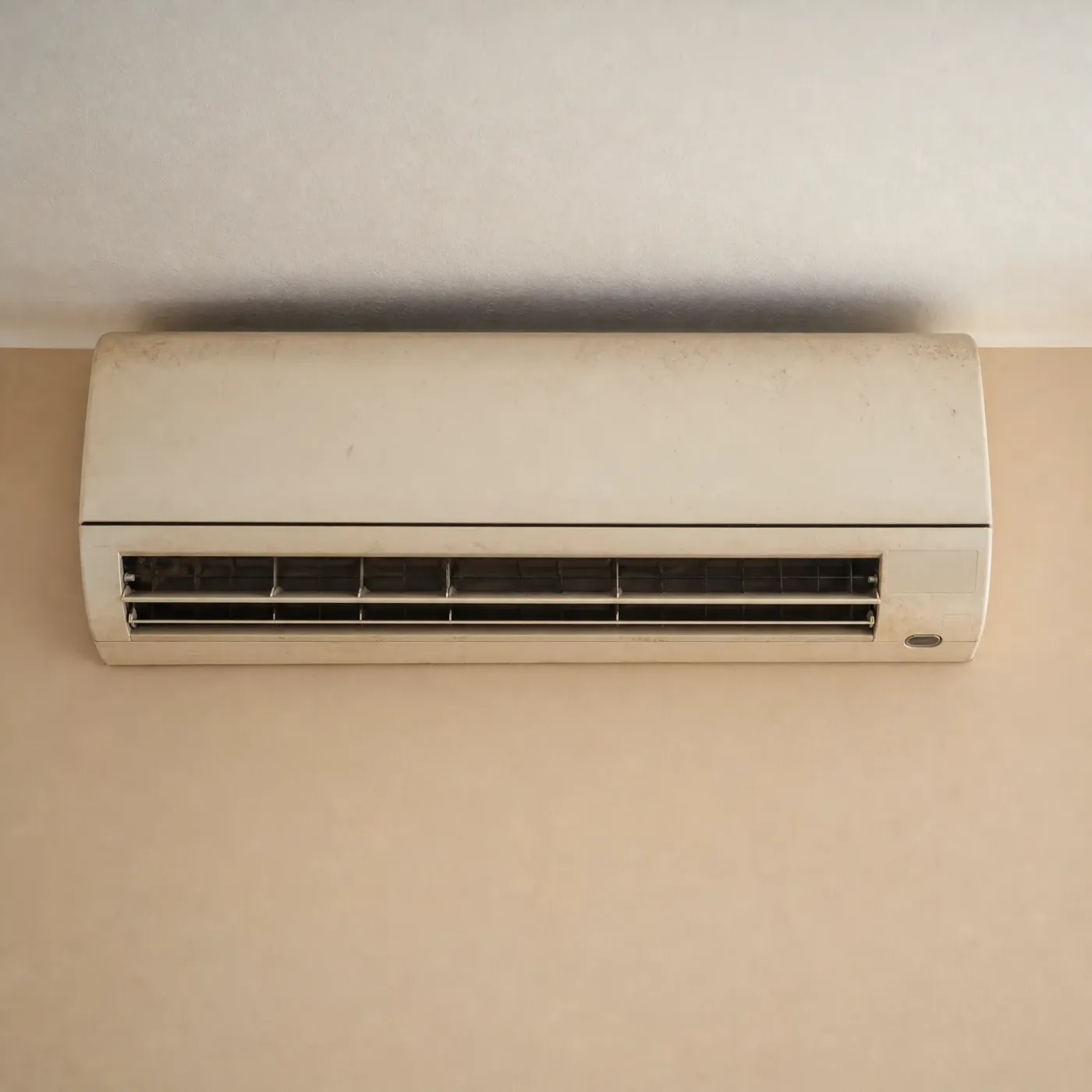
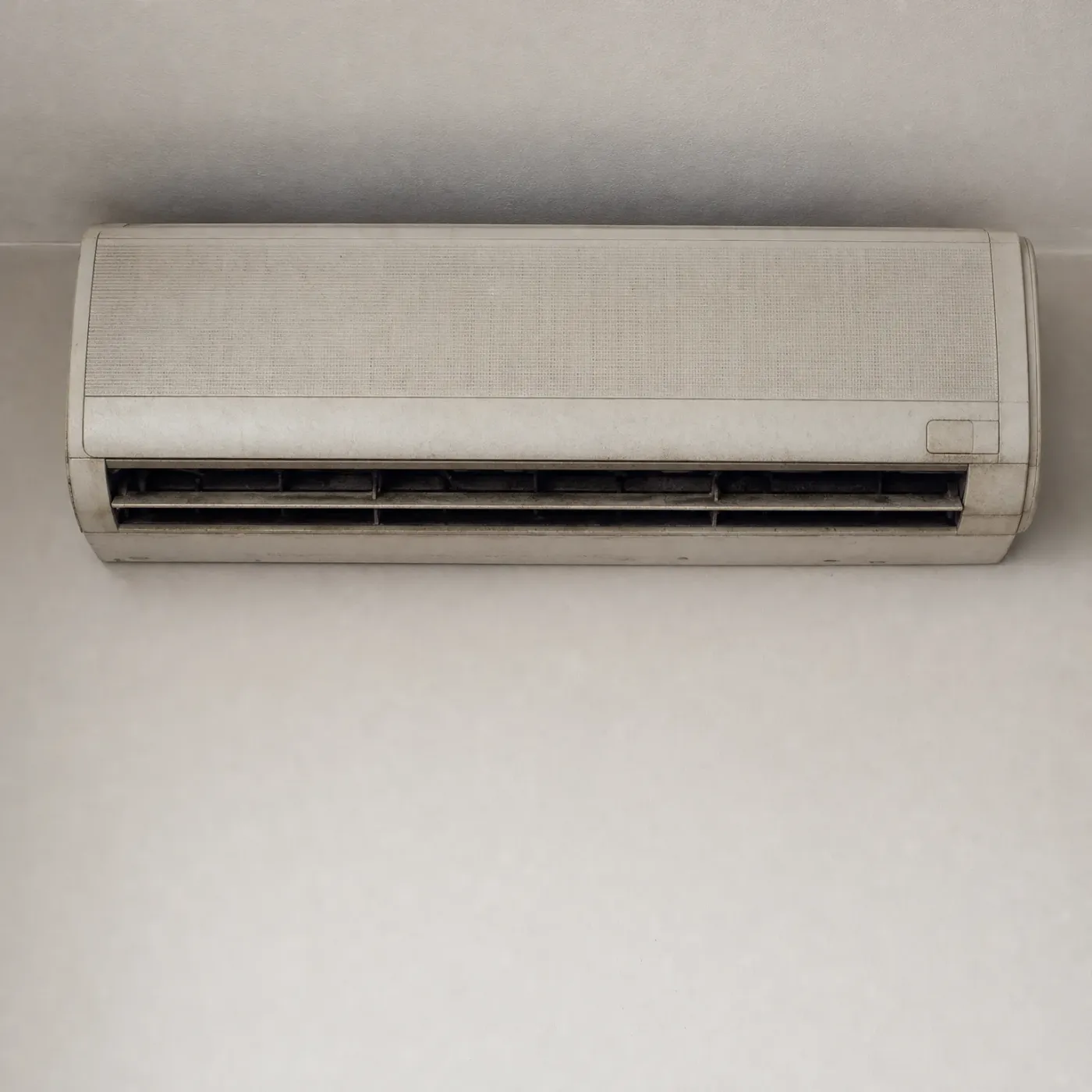
A wall-mounted mini-split air conditioner indoor unit with a dusty beige casing and dark louvered vent, installed near the ceiling on a plain beige wall.

Sized wrong

An undersized unit runs nonstop trying to catch up, and that constant strain shows up as dust and yellowing on the casing well before its time. It still can't hold the room on the hottest or coldest days, and the gas furnace or baseboard heat ends up carrying more of the load than it should.

One Room or Several: Sizing by Zone

Single-zone

  • Covers one room or one open area, like a living room addition or a finished attic without ductwork.
  • Sizing comes down to that one space: its square footage, ceiling height, window area, and how it's used.
  • Works well for a room added on after the house was built, since it doesn't tie into the gas furnace at all.
  • One indoor head means one thermostat zone, so the rest of the house still runs on whatever heats and cools it now.
  • Easier to size correctly because there's only one space to measure and one set of loads to account for.

Multi-zone

  • One outdoor condenser feeds two or more indoor heads, each sized for its own room.
  • Sizing has to account for every room on the system at once, plus how the outdoor unit splits capacity across them.
  • Fits a home cooling several rooms that a central system or window units aren't handling well, like upstairs bedrooms that run hot in July.
  • Each zone gets its own thermostat, so a room that's empty most of the day doesn't need to run.
  • Oversizing one zone to compensate for another is a common mistake, and it shows up as a room that overcools fast then sits humid.
A white wall-mounted mini-split air conditioner unit near the ceiling on a plain light-colored interior wall with open space to the right.

Why oversizing backfires in summer

A mini split that's too big for the room cools the air fast and shuts off before it pulls the moisture out. You get a room that feels cold but still damp, which in an Illinois July is the opposite of comfortable. It also means more starts and stops, and the unit works hardest right at startup. A correctly sized system runs longer, lower, and actually dries the air while it cools.

A white wall-mounted mini-split air conditioner unit installed near the ceiling on a plain beige interior wall, with a light curtain at the right edge.

How load is actually calculated

Sizing isn't a guess based on square footage alone. A contractor works out a room's heat load using its dimensions, window area and direction, ceiling height, and how well it holds heat, then matches that to a unit's rated output in BTUs. Two rooms the same size can need different sized units if one has south-facing windows or sits over an unheated garage. That's why the same mini split model doesn't work for every Illinois home, even similar ones.

Why does this room never feel right?

Maybe it's the room with the mini split that never quite gets cold in July, so you leave it running most of the day and still find it clammy by evening. Maybe it short cycles instead, blasting cold air for a few minutes then clicking off, and the room feels cool but sticky at the same time. In January the same unit might run nonstop and still leave that side of the room cooler than the rest, so you end up reaching for a space heater. If that room is where someone naps, does homework, or spends most of the day, a unit that's the wrong size means they're the ones who feel it first, every day it's off by even a little.

A woman and a sleeping child wrapped together in a cream knitted blanket on a couch, with a potted plant, framed photo and lit lamp in the background.
An older woman with gray hair in a bun and glasses, wearing a beige knit sweater, smiles while looking to the side in a warmly lit kitchen, with a loaf of bread on the counter in the foreground and a snowy scene outside the window.

Skip calling around

Figuring out the right size for a mini split means pulling together square footage, ceiling height, window placement, and how the room gets used, then weighing that against an Illinois summer that's humid enough to punish an undersized unit and a winter cold enough to expose an oversized one. Most homes here still lean on gas furnaces for heat, with the mini split handling a room or addition the ductwork never reached, which is its own kind of sizing problem. Getting it wrong means living with it, since resizing later isn't as simple as swapping a thermostat. Rather than calling around to a handful of installers, repeating the same details about your room and your house each time, and sorting through quotes that may be sizing the unit differently from each other, this goes to one local contractor who works on mini splits all year in this climate and has seen what undersizing and oversizing actually do to a room like yours. That's who looks at your space next.

An undersized mini split in an Illinois home runs flat out all July and still leaves the room warm and damp by evening, then struggles again in January when it's the only thing fighting a single-digit night.

A mini split sized to the room cools it and dries it out on a sticky afternoon, then holds steady heat through a cold snap, because it was matched to that space instead of guessed at.

A dusty white wall-mounted mini-split air conditioner indoor unit with open louvers, installed near the ceiling on a plain light-colored wall.
Before you get your mini split installation
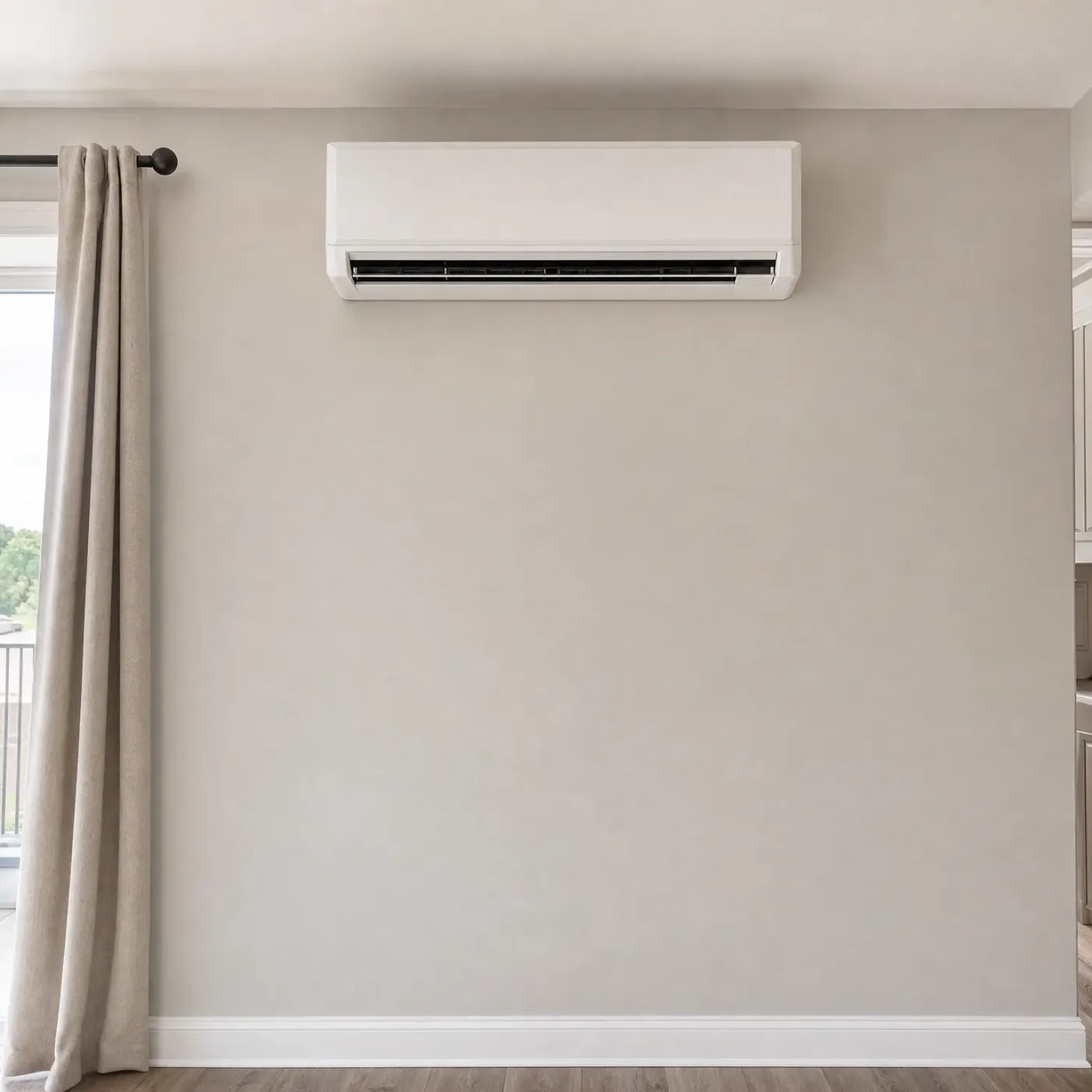
A white wall-mounted mini-split air conditioner unit high on a light gray interior wall, with a beige curtain and window at the left and wood-look flooring below.
After you get your mini split installation
A two-story gray horizontal-siding house with multiple gables, a covered front porch with white columns and railing, and a dark front door, fronted by a patchy green and brown lawn under a clear blue sky.

Summer air here averages a 63°F dew point across June, July and August, by National Weather Service records. That's thick, sticky air for a mini split to wring the moisture out of. A unit sized right for the room runs long enough to pull that moisture down and you feel it: the air stays dry even when the room holds steady at your set temperature. Size it too big and it cools the thermometer fast, shuts off, and leaves the damp behind. You'll notice it as a room that reads cold but still feels clammy against your skin, especially by evening.

NASA POWER T2MDEW county cells weighted by homes

A closed laptop and a cream mug of coffee on a coaster sit on a dark wooden table, with a potted plant at left and a kitchen counter, tiled backsplash and shelf of ceramics in the background.

The right size is the one matched to the room

A mini split sized to its room handles an Illinois summer and an Illinois winter without strain in either direction. That's the whole answer: match the unit to the square footage, the ceiling height, the windows, and how the room gets used, and it runs the way it's supposed to in both directions of weather here.

Getting there means someone has to actually work out those numbers for your room, and finding that someone is its own job: looking up contractors, calling a few, walking each one through the same room and the same problem, then sitting with quotes that size things differently because nobody measured the same way twice. A local contractor who installs these year-round in homes like yours already knows what an Illinois summer and winter ask of a mini split, and sizes to that instead of a guess.

A living room corner with a light beige sofa holding a textured taupe cushion, a large ceramic vase of olive branches by a window, a framed neutral artwork on the wall, and a dark bowl with stacked books in the foreground.
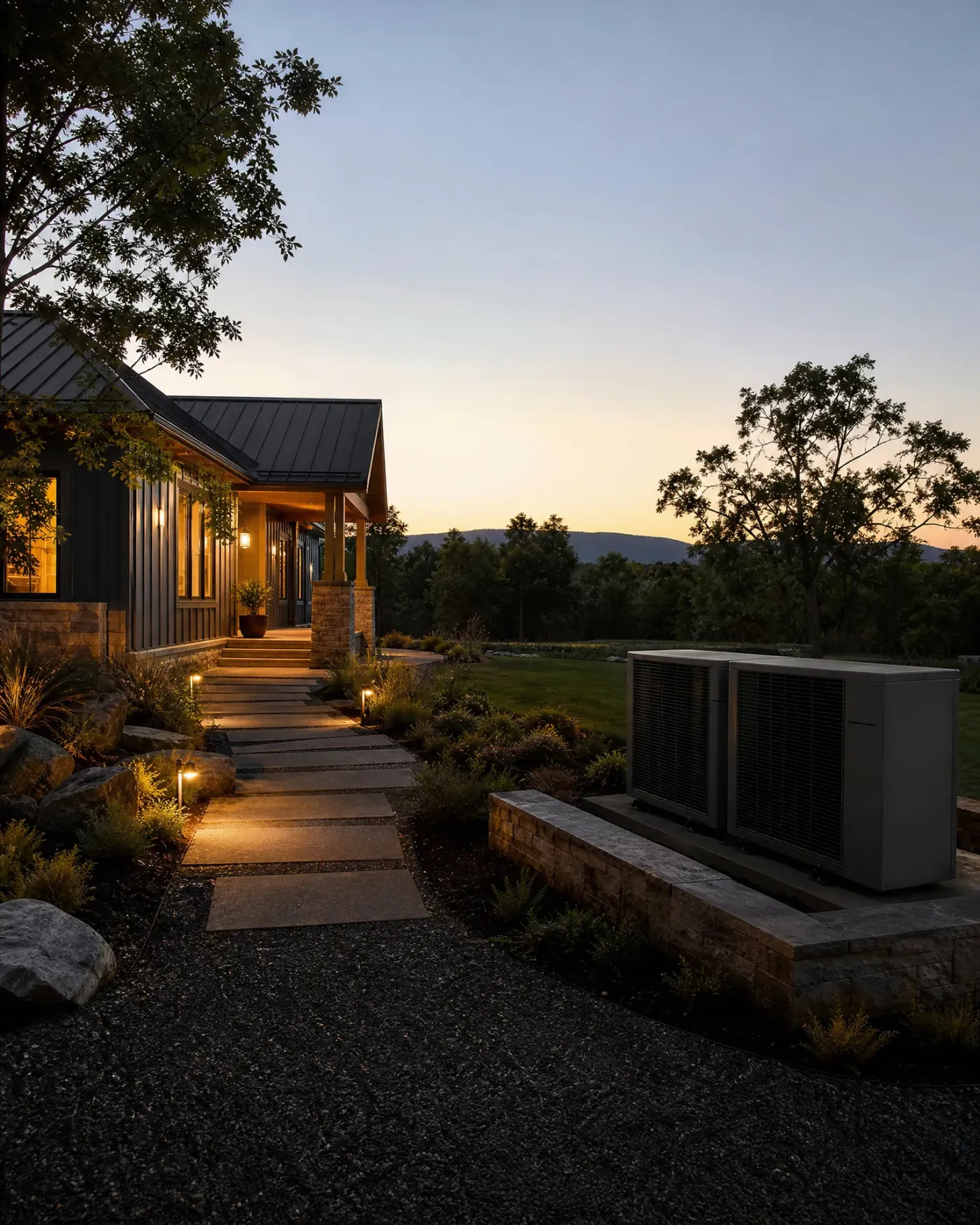
At dusk, a dark board-and-batten house with a standing-seam metal roof and lit entry walkway of stone pavers, with two large outdoor heat pump units on a stone-walled pad at right and trees and hills in the background.

Mini Split Installation

Describe it once

Step 1 of 3: Equipment
  • A cream chunky cable-knit throw draped over a beige upholstered armchair beside a bright window, with a wooden side table holding a book and a vase of leafy branches at left.
    • Get in touch with a local installer about a new mini split.
    • A local installer who puts in mini splits gets your project.
  • Living room corner with a gray sofa holding beige pillows and a knit throw, a round wooden coffee table with a dark planter and shallow bowl, a jute rug, a floor lamp, a framed landscape print on the wall, and a window showing trees.
    • Send the form and the search for an installer is over.
    • Send the form and stop researching installers for the new mini split.
  • A living room corner with a cream sofa and cushion, knit throw, wooden coffee table holding a shallow bowl and dark ceramic vase with green foliage, a floor lamp, potted plant in a woven basket, and linen curtains at a window.
    • Skip the round of in-home estimates for a new mini split.
    • Describe the project once instead of to every installer.
  • A round reclaimed-wood coffee table with a black metal base sits on a woven rug in front of a cream sofa with cushions, with a lit built-in fireplace and a tall indoor tree in the background.
    • Your request stays with one local pro.
    • Your request goes to one pro, not a list of companies.