
Why your mini split leaks water in an Illinois winter
Why is my mini split leaking water in the winter?
Cold weather hit and now there's water pooling under the indoor unit or dripping down the wall. It's confusing because you associate leaks with cooling, not heating, and the furnace handles most of the house anyway. You just want to know if this is normal for a mini split in an Illinois winter or something that needs attention before it damages the wall or floor.
A frozen or blocked condensate drain is the usual cause
In winter, a mini split still pulls moisture out of the air it heats, and that water has to leave through a condensate drain line. When outdoor temperatures drop, that line can freeze solid, especially if it runs through an unheated space or near an exterior wall. Once it's frozen, water backs up into the indoor unit and finds its way out through the cabinet instead. A clogged drain line does the same thing even without a freeze, since dust and algae build up in the line year round. Either way, the water you're seeing is a sign the drain isn't clearing, not that the unit is broken outright. Left alone, it can damage drywall or flooring, so it's worth having someone look at the line before that happens.

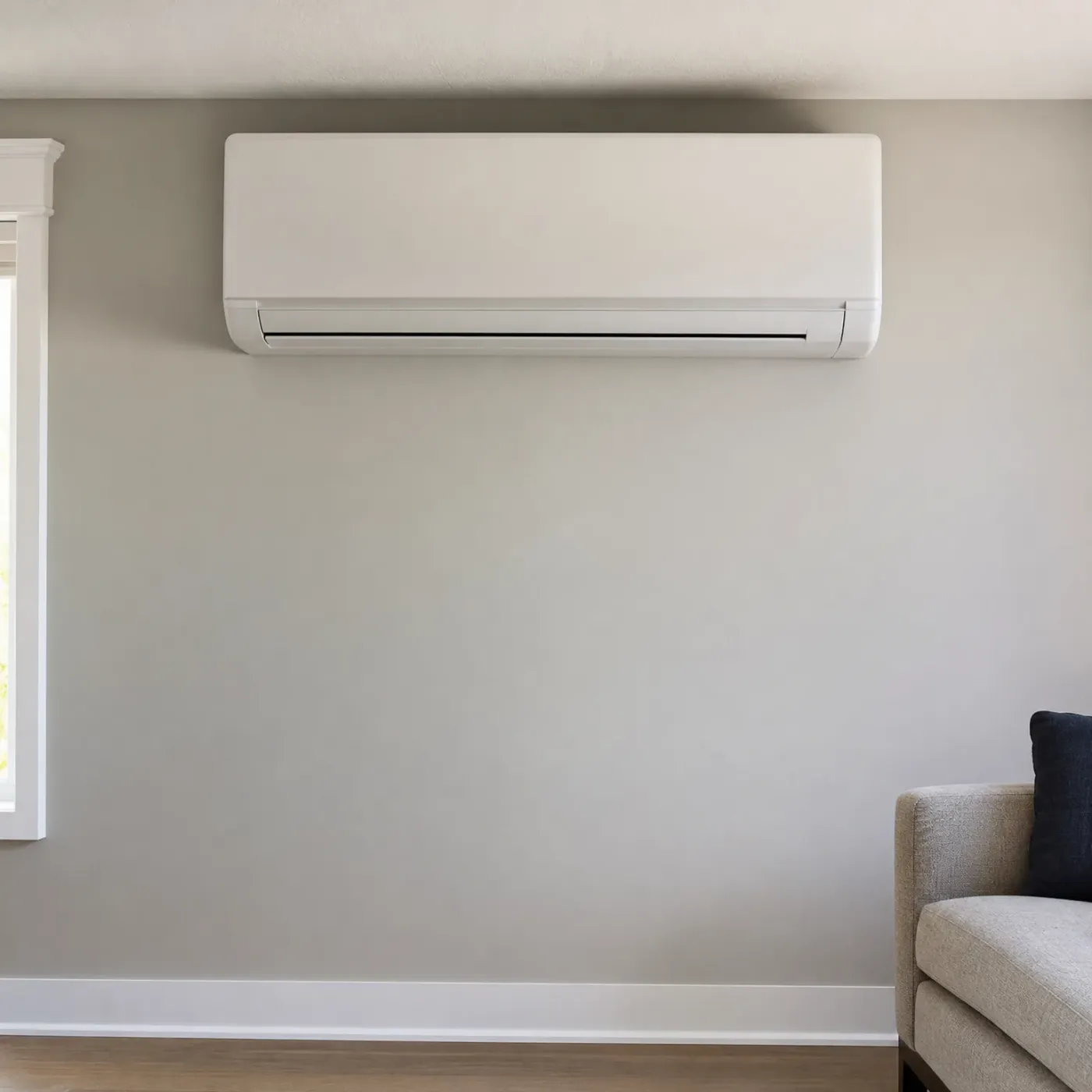
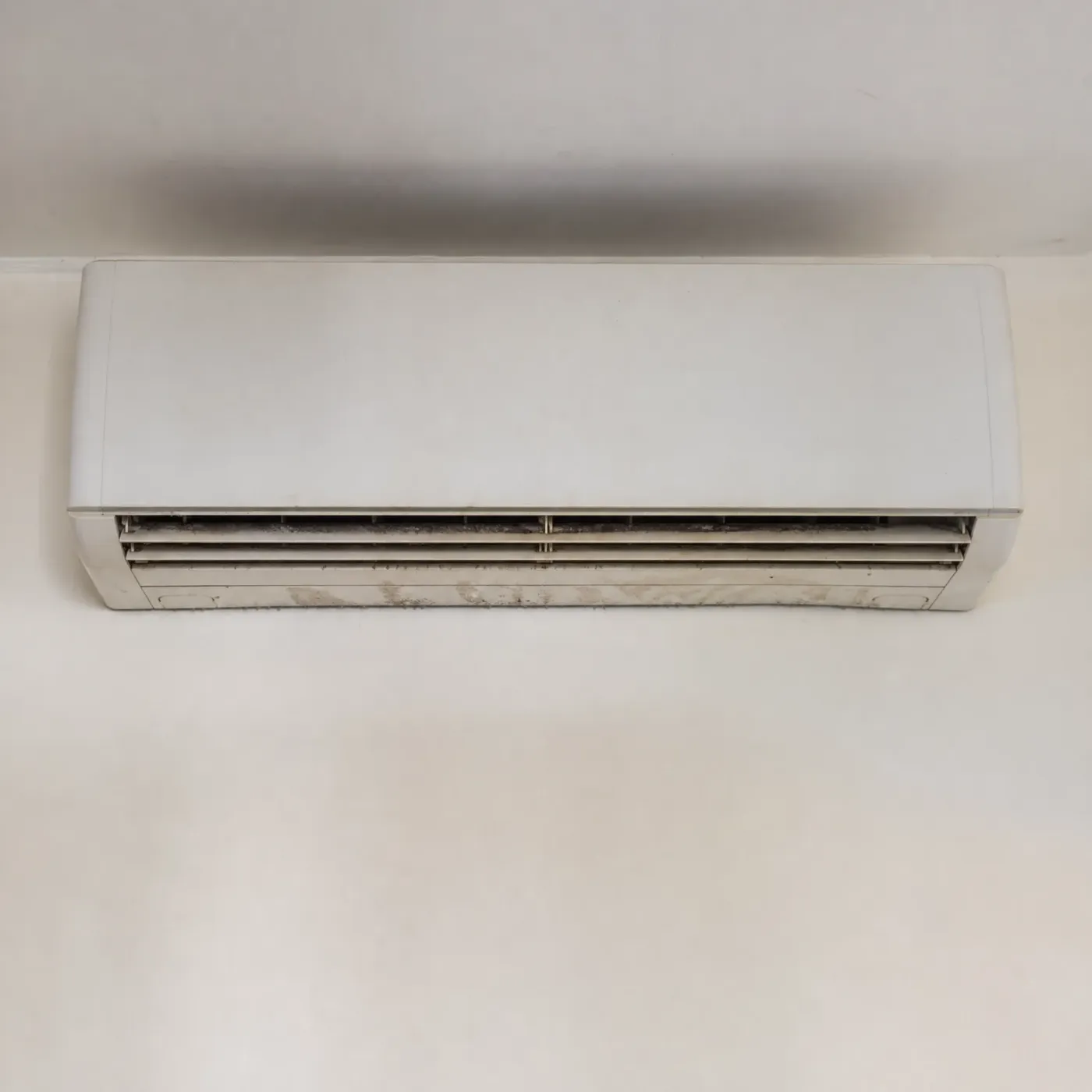
Cold air inside the unit meets warm, humid room air at the vents.
Moisture in that room air condenses on the chilled plastic housing.
A clogged or frozen drain line stops the condensate from draining out.
Water backs up inside the unit and drips out instead.





What that drip is doing to your house
A little water under the indoor unit doesn't stay a little water problem. It soaks into drywall, swells the baseboard, and finds its way into the wall cavity behind it, where it won't dry out on its own with the heat running and the house closed up for winter. If the unit hangs above a bedroom or a living room, that's the spot someone in your house walks past or sits under every day. By the time you see a stain or smell something musty, the water's been getting in longer than you'd think.
An Illinois winter doesn't give a clogged drain line any reason to clear itself. The cold that's causing the backup keeps causing it until someone opens up the line and the housing and finds where it's actually stuck. A contractor who works on mini splits all year in this area has seen that same frozen or clogged line plenty of times and knows where to look first. Get matched with one near you, and you're dealing with a single local tech, not a string of callbacks while the wall keeps getting wetter.

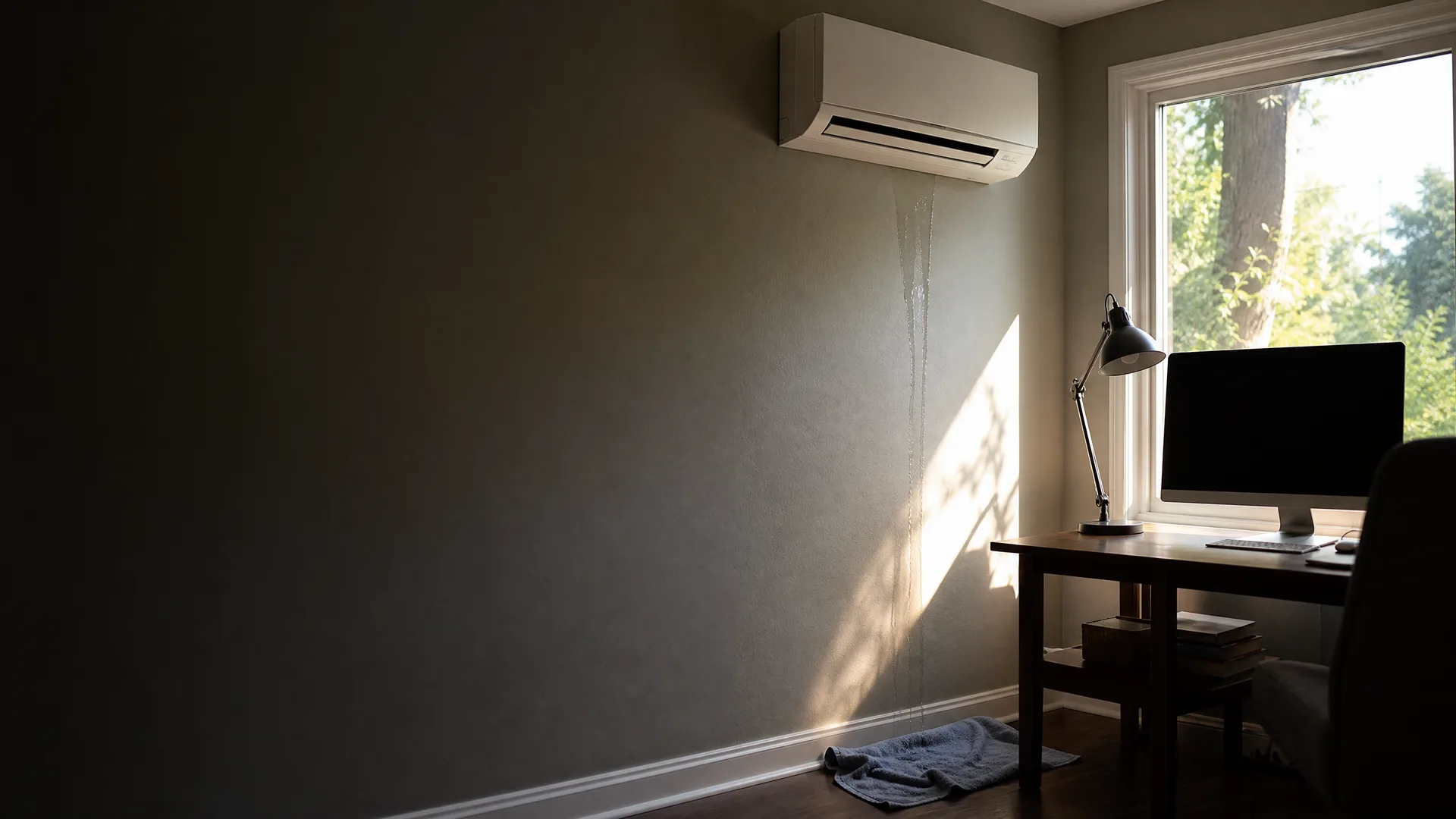
It's late afternoon in July, the kind of sticky day that keeps the AC running until dinner. You're at the desk in the home office, and you notice the mini split above you has gone quiet in a strange way. Then you see it: a dark streak running down the wall below the unit, pooling at the baseboard. You grab a towel off the hallway shelf and press it against the wall, but the water keeps coming. Outside, the air is thick enough that you can feel it through the window screen. You stand there for a minute, towel in hand, watching the spot spread.
Power costs 17.67 cents per kilowatt-hour statewide
At 17.67 cents per kilowatt-hour, a mini split that's leaking and running inefficiently costs you more to limp along than to fix. A clogged drain line can make the unit work harder to do less, and you're paying for that extra draw every month it goes unrepaired.
EIA-861 2025 statewide residential average
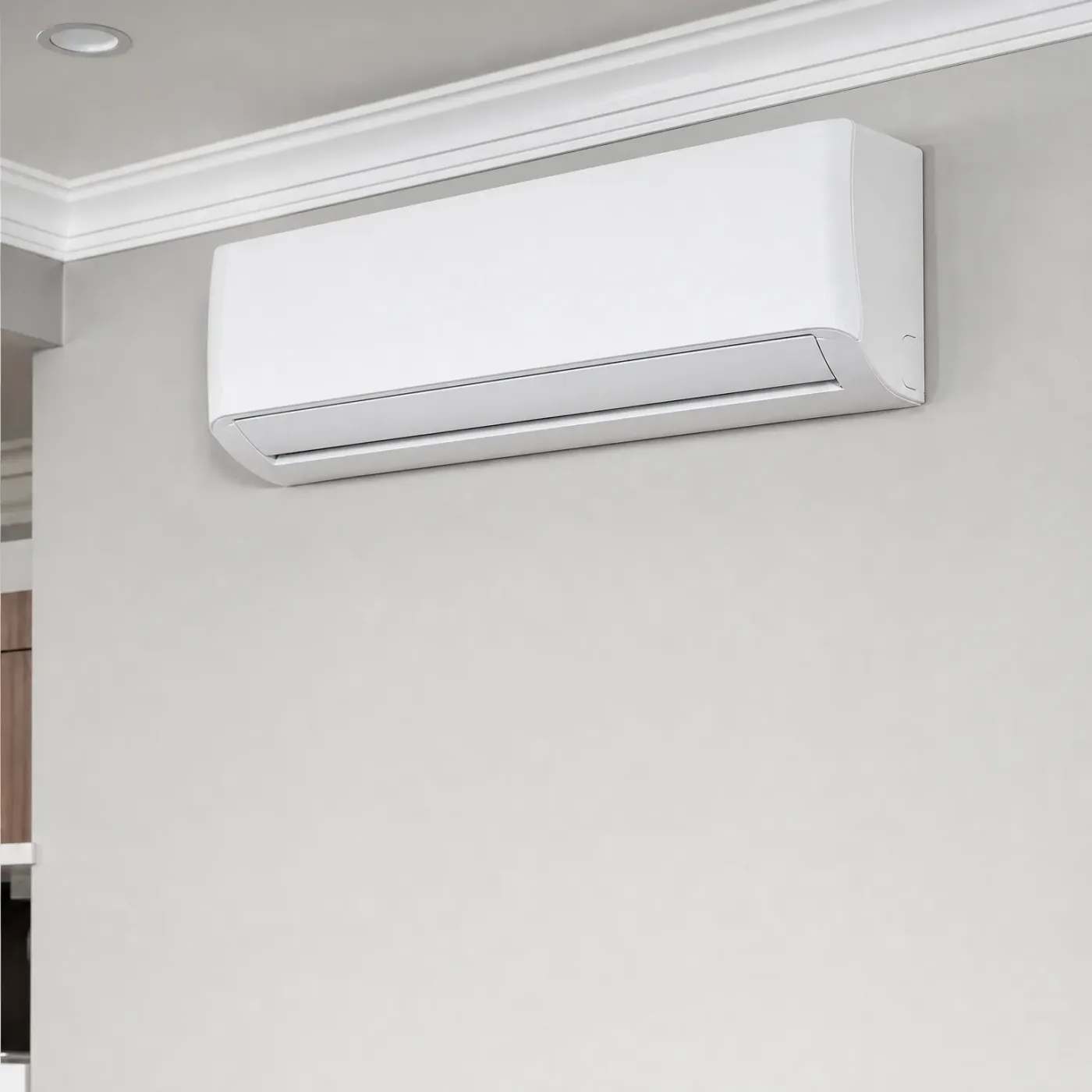
A pro who works on mini splits
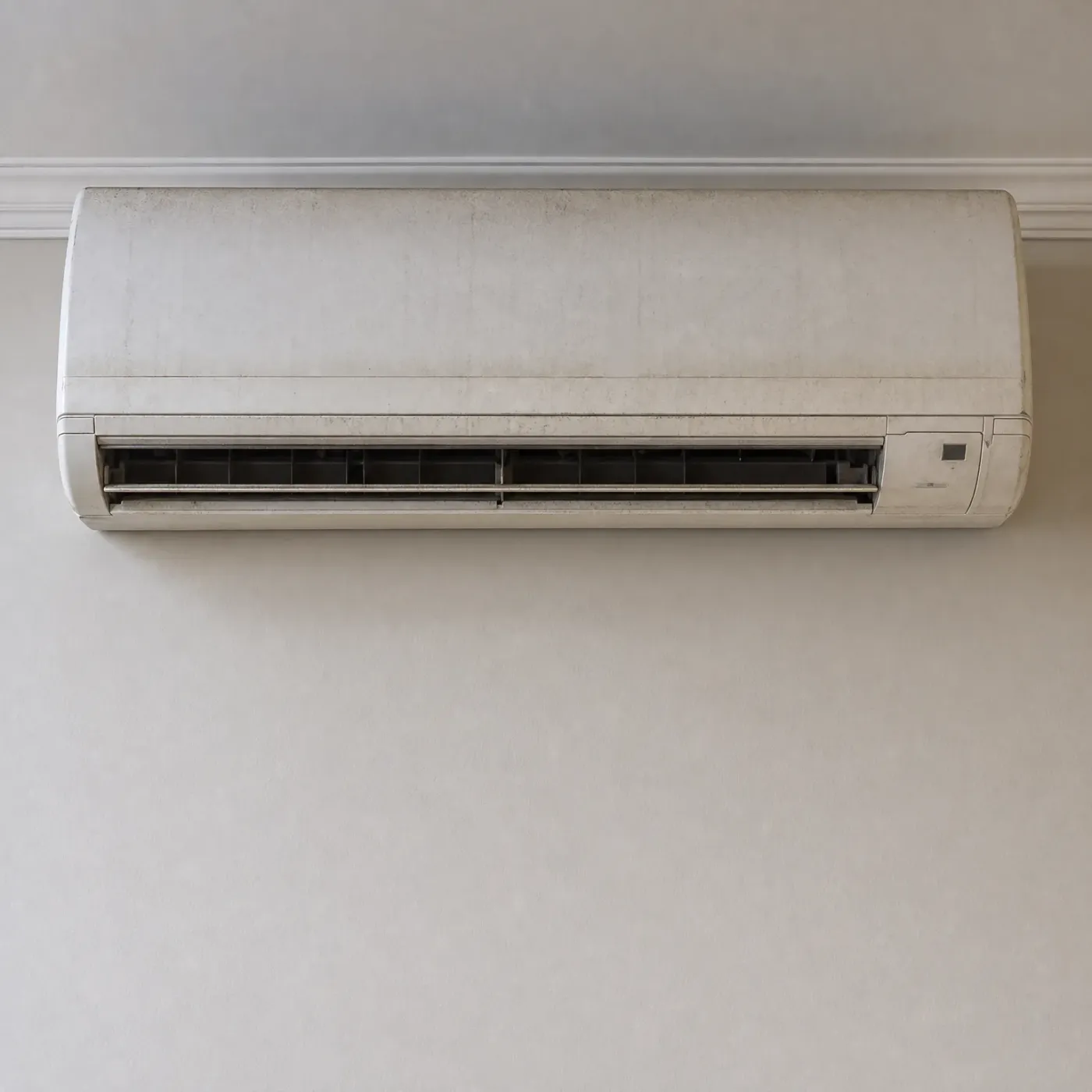
A clogged drain line on a mini split isn't something to work around until spring. Every winter it sits unfixed, the water finds more drywall to soak and more wall cavity to sit in, and gas heat running all winter won't dry that out for you. With power here costing what it does, a unit working harder to push air past a dirty coil is money going straight into the bill. What this takes is someone who sees this exact problem on Illinois mini splits every winter and knows whether it's the drain line, the pitch of the unit, or ice forming where it shouldn't. Hand this off to a contractor local to you, someone who works on this equipment all year and has seen what usually fails in a cold snap. One contractor gets your request, so you're dealing with one person who knows your situation, not fielding calls from five.
The Short Answer on That Drip
- A frozen or clogged drain line, not the winter cooling season, is why your mini split drips in January.
- Warm, humid room air condensing on the unit's cold housing is the moisture source, since gas heat elsewhere in the house won't dry out a wall cavity.
- Left alone, the water tracks into drywall and baseboard before you ever see it reach the floor.
- A unit that drains the way it should runs quiet and dry through the coldest nights, with nothing pooling underneath.
- A local contractor who services mini splits all year, not just in summer, can trace the clog or freeze and clear it.
- Fixing the drain line now costs less, in time and in power, than running an overworked unit through the rest of winter.
Your mini split isn't leaking because of anything it's doing wrong in the cold. It's the drain line, frozen shut or clogged with dirt, that's backing water up into the unit and out onto your wall or floor. The moisture itself comes from ordinary room air meeting the cold plastic housing inside, which is why running the furnace harder doesn't help. That warm air has to go somewhere, and until the drain is clear, it's going to keep finding your drywall.
None of this fixes itself by spring. A line that's clogged in January stays clogged, and every week it sits is another week water has to soak into something before you notice it. The baseboard goes first, then the cavity behind it, and that part of the wall won't dry out on its own with gas heat running through the rest of the house.
A mini split that's draining the way it's built to drain just runs. No pooling, no streak down the wall, nothing to check on cold nights. That's the whole fix: clear the line, let the unit do what it's supposed to do.
A contractor who works on these year-round, not just when the summer calls come in, knows where these lines freeze and what usually causes the clog in the first place. Getting it looked at now costs less than paying to run a unit that's fighting its own plumbing through the rest of winter.


Get your mini split to the right pro
A frozen or clogged drain line is a mechanical problem, and it needs a hand on the unit to find and clear it, not a warmer month to wait for. A local contractor who services mini splits all year, through muggy summers and cold Illinois winters, knows where these lines tend to freeze and what's usually behind it. Ask for a repair match and you hear from one licensed contractor near you, not a string of callbacks from companies that don't know your system.